Grand Junction: Food Trucking on the Western Slope
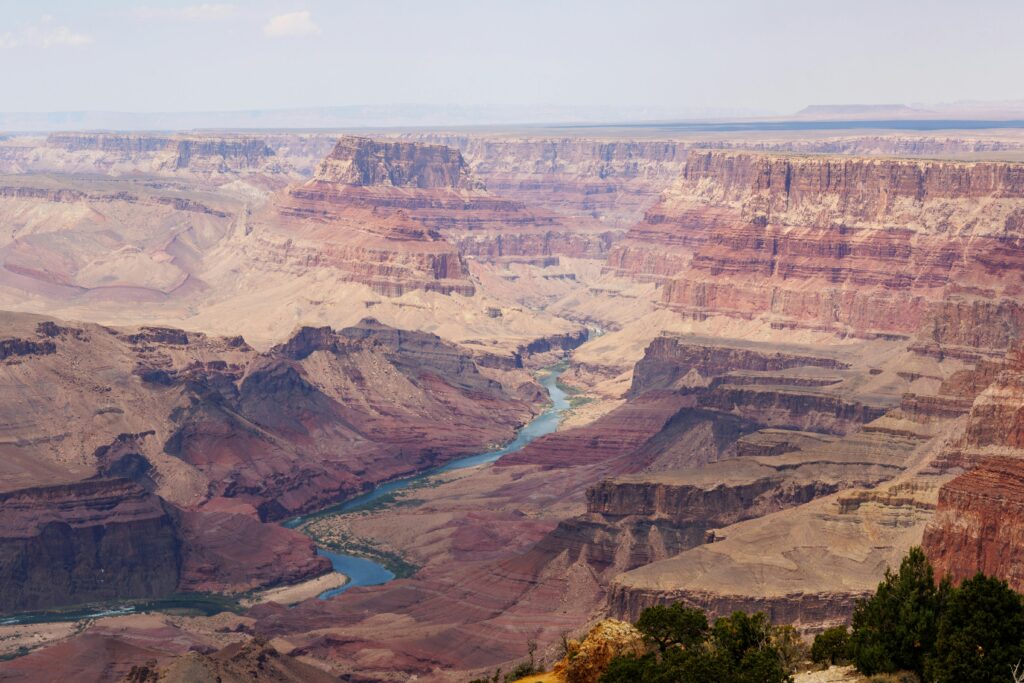
Grand Junction is the largest city on Colorado’s Western Slope, with a population of about 65,000 and a metropolitan area serving over 150,000 residents. Situated in the Grand Valley at the confluence of the Colorado and Gunnison rivers, the city offers a distinctive food truck market that differs significantly from Front Range cities. The Western Slope has its own regulatory culture, seasonal tourism patterns, and community events that shape how mobile food vendors operate.
Food trucks in Grand Junction must satisfy requirements from Mesa County Public Health, the Grand Junction Fire Department, and the city’s licensing office. Because Grand Junction is the economic hub of western Colorado, getting licensed here also positions you well for events throughout the region, from Palisade peach festivals to ski resort towns.
Mesa County Public Health
Mesa County Public Health is the primary food safety authority for Grand Junction food trucks. They handle plan reviews, issue retail food establishment licenses, and conduct both scheduled and unannounced inspections. Their plan review process requires detailed documentation of your truck layout, cooking equipment, refrigeration, water system, waste disposal, and complete menu.
Mesa County inspectors are thorough but approachable. They follow the same Colorado Retail Food Establishment Rules as the rest of the state, but the smaller department size means you can often speak directly with the inspector assigned to your case. This personal connection can be valuable when you have questions about specific equipment choices or layout decisions during the build phase.
Grand Junction Fire Department
The fire department reviews your cooking suppression system, propane installation, electrical setup, and overall fire safety compliance. Grand Junction follows the International Fire Code and requires all food trucks with cooking equipment to have a UL 300-listed wet chemical suppression system. The fire department also inspects your fire extinguishers, emergency shut-off valves, and ventilation system.
Given Grand Junction’s arid climate and periodic wildfire concerns, the fire department may impose additional restrictions during high fire danger periods. This could include limitations on generator use in certain outdoor locations or requirements for additional fire extinguishers when operating near dry vegetation or grasslands.
City Licensing and Business Registration
The City of Grand Junction requires a general business license for all food truck operators. The application process is straightforward and can be completed at city hall or online through the city’s business portal. You will also need to register with the Colorado Department of Revenue for state sales tax and obtain a Mesa County sales tax license, as Mesa County has its own sales tax in addition to the state rate.
Costs of Getting Licensed in Grand Junction
Grand Junction offers one of the more affordable licensing environments in Colorado for food truck operators. City business licenses typically cost $50 to $100 annually. Mesa County Public Health charges approximately $275 for plan review and initial inspection, with annual renewals around $200. Fire department inspections are generally $100 to $150.
Commissary costs on the Western Slope are lower than in Denver, typically $250 to $500 per month. The overall cost of living and doing business in Grand Junction is significantly lower than the Front Range, which translates into lower overhead for food truck operators. Budget between $1,800 and $3,000 for your total first-year permit and licensing costs, not including the truck itself.
Health Inspection Standards
Mesa County health inspections cover the standard Colorado requirements: food temperature control (cold at 41F or below, hot at 135F or above), handwashing facilities with hot water, proper food storage, cross-contamination prevention, and sanitation practices. Your truck must have a functioning three-compartment sink and a separate handwashing station that is always accessible while the truck is in operation.
Water system integrity matters especially in Grand Junction due to the summer heat. Ambient temperatures regularly exceed 100F from late June through August, which means your refrigeration and cold holding equipment must work harder than in cooler climates. Inspectors will test your cooling capacity during warm weather inspections, so invest in commercial-grade refrigeration rated for high ambient temperatures.
Fire Safety on the Western Slope
Beyond standard fire code compliance, Grand Junction food truck operators should be aware of the unique fire safety considerations on the Western Slope. The dry climate means grease fires can escalate quickly, making proper suppression system maintenance even more critical. Your suppression system should be inspected and serviced every six months by a certified technician, with current tags visible to the fire inspector.
Check out this custom food truck build that incorporates comprehensive fire safety features suitable for Western Slope operations:
Commissary Options on the Western Slope
Finding a commissary kitchen in Grand Junction requires more planning than in Denver, where dozens of shared kitchen spaces compete for your business. The Western Slope has a smaller pool of licensed commercial kitchens available for food truck operators, but the situation has improved as the local food truck scene has grown. The Grand Junction Area Chamber of Commerce can sometimes help connect new operators with available commissary space.
Your commissary agreement must cover food preparation, equipment cleaning and sanitization, wastewater disposal, potable water refilling, and overnight storage for perishable ingredients. Mesa County Public Health will verify that your commissary is properly licensed and that your agreement is current during each inspection cycle.
Zoning and Location Strategy
Grand Junction permits food trucks in commercial and industrial zones, with special event permits available for other locations. Main Street downtown, the area around Colorado Mesa University, and various shopping centers along North Avenue are popular food truck spots. The city has shown increasing support for mobile food vendors, and several businesses actively recruit food trucks to their parking lots.
Seasonal tourism provides unique opportunities for Grand Junction food trucks. Wine country visitors in Palisade, mountain bikers on the Lunch Loops trail system, and rafters on the Colorado River all create demand for mobile food options. The annual Palisade Peach Festival, Country Jam, and various downtown events offer prime vending opportunities throughout the warmer months.
HB 25-1295: Expanding Your Western Slope Reach
Colorado House Bill 25-1295 is a game-changer for Western Slope food truck operators. Before the statewide reciprocity law took effect on January 1, 2026, expanding from Grand Junction to other Colorado cities meant starting the entire licensing process from scratch in each location. Now, your Grand Junction credentials carry weight across the state, and vice versa.
This is especially valuable for Western Slope operators who want to serve at ski resorts, mountain town festivals, or Front Range events without duplicating their health department paperwork. You still need local business licenses and must follow each city’s zoning and fire codes, but the health and safety credentials transfer seamlessly. See how this compact empanada truck is built for traveling between multiple Colorado markets:
Step-by-Step Licensing Process
Begin with your truck design and menu planning, then submit your complete plan package to Mesa County Public Health. While the plan review is underway (usually two to four weeks), apply for your Grand Junction business license and register for both Colorado state sales tax and Mesa County sales tax. Secure your commissary agreement early, as options are more limited than on the Front Range.
After plan approval, schedule your health inspection and fire department inspection. In Grand Junction these can typically be arranged within a week or two of each other. Pass both inspections, finalize your liability insurance ($1 million minimum), and you are ready to start serving. The full timeline in Grand Junction is usually five to eight weeks from plan submission to opening day.
Inspection Pitfalls Specific to Grand Junction
The extreme summer heat in the Grand Valley is the biggest operational challenge for food truck inspections. Refrigeration units that work fine in Denver may struggle when ambient temperatures hit 105F in Grand Junction. Inspectors know this and will specifically test your cold holding temperatures during summer inspections. Upgrade to heavy-duty commercial refrigeration rated for at least 110F ambient if you plan to operate through the Grand Junction summer.
Water system issues are another common problem. The hot, dry climate means your fresh water supply depletes faster than in other markets, and your wastewater tank fills more quickly when you are serving high volumes. Make sure both tanks are adequately sized for your busiest service days. Additionally, keep all documentation current and organized because Mesa County inspectors will check your paperwork during every visit.
Custom Builds for Western Slope Success
Zion Foodtrucks designs and builds custom food trucks that account for the specific demands of Western Slope operations. That means oversized refrigeration systems, robust water tanks, high-capacity generators, and fire safety systems built for arid conditions. We have built trucks for operators throughout Colorado and understand what it takes to pass inspections in Grand Junction and beyond.
Planning a food truck business in Grand Junction or anywhere on the Western Slope? Call 720-209-2653 or visit zionfoodtrucks.com to get started with a free consultation. We will help you design a truck that handles the heat, passes every inspection, and positions you for success in this growing market.
Grand Junction Food Truck Contacts
- Mesa County Public Health – 510 29 1/2 Rd, Grand Junction, CO 81504 – (970) 248-6900
- Grand Junction Fire Department – 625 Ute Ave, Grand Junction, CO 81501 – (970) 549-5800
- City of Grand Junction Licensing – 250 N 5th St, Grand Junction, CO 81501 – (970) 244-1500
- Colorado Department of Revenue – tax.colorado.gov
- Zion Foodtrucks – zionfoodtrucks.com – (720) 209-2653