

Leading Food Trailer Manufacturer in Grand Junction, CO
Get a Free Quote Now!

Robust Design, Tailored Solutions, Proven Value
Why Zion Foodtrucks Is Trusted in Grand Junction
- Ground-Up Fabrication: We build the trailer frame, insulate and finish the walls, run all plumbing and electrical, and install your cooking equipment. Nothing is outsourced. You get a single point of contact from design through delivery to your Grand Junction location.
- Sized for Your Operation: Not every business needs a 24-foot trailer. We build from 8 feet up and configure the layout around your menu, your crew size, and the events you plan to work - from Country Jam to private catering across Downtown, Palisade, Fruita.
- Built for Grand Junction at 4,583 ft: Altitude affects propane combustion, boiling points, and refrigeration efficiency. We select and calibrate all equipment for high-altitude performance so your trailer works correctly from day one.
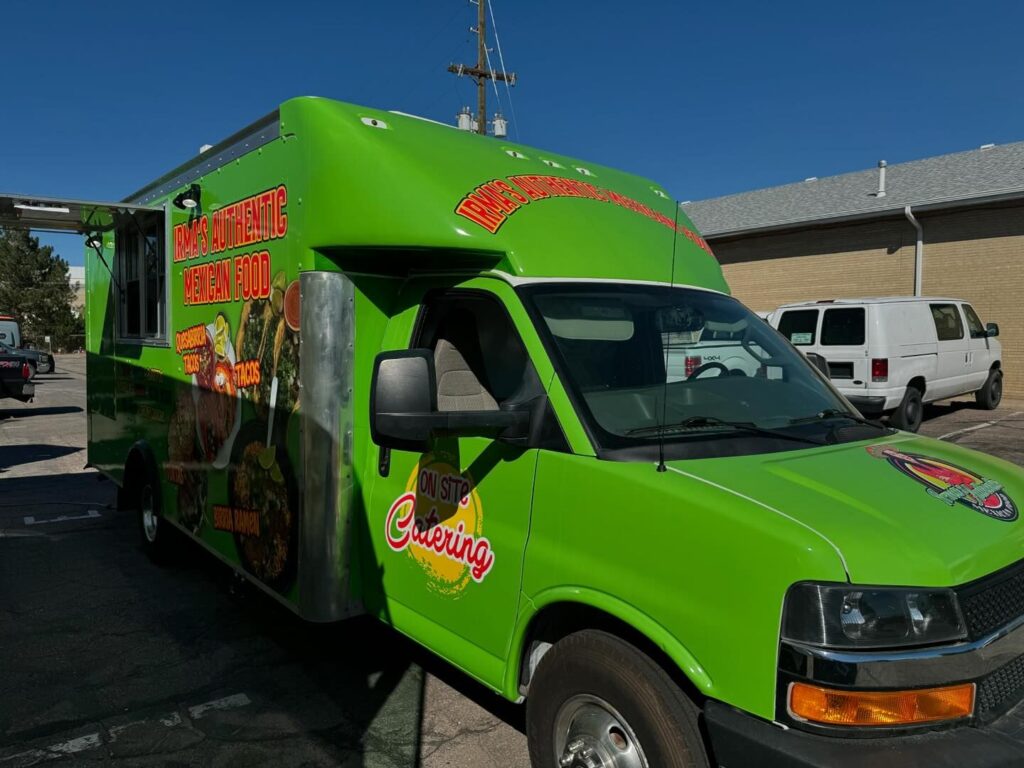
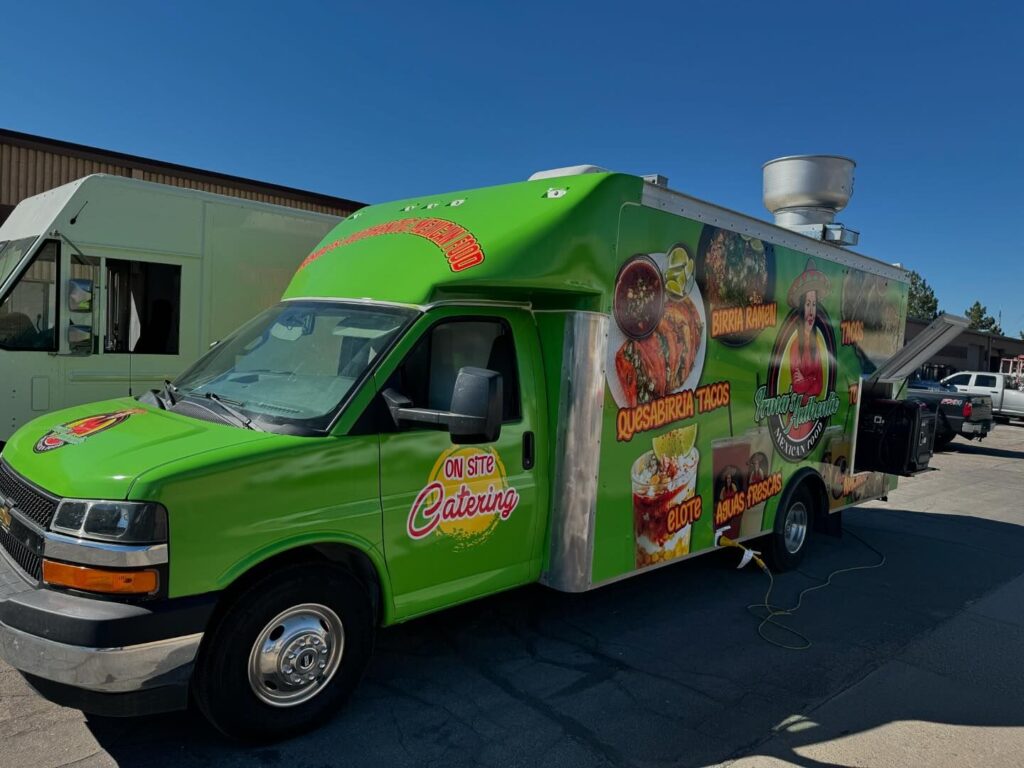
Why Food Trailers Work So Well in Grand Junction, CO
- Grand Junction sits on the Western Slope, isolated from the Front Range, meaning food truck operators here face less competition but longer supply runs.
- Turnkey Delivery: We don't hand you a shell and wish you luck. Your trailer arrives with equipment installed, systems tested, and documentation ready for your Mesa County Public Health inspection.
- Warranty and Ongoing Support: Tourism from Colorado National Monument and the wine/peach country in Palisade brings seasonal demand for mobile food. Your trailer needs to hold up season after season. We back our builds with a labor warranty and remain available for maintenance and upgrades.
Local Requirements in Grand Junction
Food trailers in Grand Junction must meet the same health and fire safety standards as food trucks. Mesa County Public Health ((970) 245-8900) inspects all mobile food units, including trailers, before they can operate. Food trucks cannot operate in the public right-of-way. You need private property permission or a designated city vending spot. See gjcity.org/765/Food-Beverage-Vendor-Information.
The Western Slope market is less competitive than the Front Range, so there’s room for new operators. Grand Junction’s wine country tourism in Palisade creates a built-in seasonal customer base Popular locations for food trailer operators include Downtown farmers markets, Palisade Peach Festival, Country Jam, and Main Street events.
Yes. We build every trailer in compliance with Mesa County and Grand Junction regulations, including health, safety, and fire codes.
See Our Work in Grand Junction
Watch videos of food trucks and trailers we’ve built for Grand Junction area operators.
Why a Concession Trailer Makes Sense in Grand Junction
For a lot of Grand Junction operators, a concession trailer is a smarter choice than a truck. Trailers cost less to build and maintain, they don’t require a separate commercial vehicle, you can drop them at an event and drive your personal vehicle home, and when you upgrade your tow vehicle the trailer comes with you. For Grand Junction operators who work Downtown Main Street and similar multi-day events, the ability to park and unhook is a real operational advantage over a self-contained truck.
We build custom concession trailers from 6×10 snack trailers up to 8.5×28 full-service kitchens. Every trailer we deliver to Grand Junction is licensed, insulated, code-compliant, and built around your specific menu — not pulled off a lot with a stock kitchen that doesn’t fit your workflow.
Trailer Sizes and Configurations We Build for Grand Junction
Trailer size drives everything else — how much equipment you can fit, how much prep space you have, how much water you carry, and what you need for a tow vehicle. Common Grand Junction configurations we build:
- 6×10 / 6×12 snack trailers — coffee, shaved ice, single-product concepts. Light, easy to tow, quick setup.
- 7×14 / 7×16 mid-size trailers — tacos, burgers, simple menus with a fryer and flattop.
- 8.5×16 / 8.5×20 full kitchens — multi-station menus, pizza, BBQ, full breakfast concepts. Room for commercial refrigeration, multiple cook stations, and a proper prep area.
- 8.5×24 / 8.5×28 high-volume trailers — catering-focused builds, festival trailers, multi-cook setups. These become the main kitchen for a high-volume Grand Junction catering operation.
We help every customer pick the right size by working backwards from actual menu, ticket count, and event type — not from a sales pitch.
Towing, Storage, and Setup for Grand Junction Operators
A concession trailer lives or dies by whether you can actually tow and park it. We build every Grand Junction trailer with axle ratings and tongue weight matched to common tow vehicles (3/4-ton and 1-ton pickups, box trucks, or dedicated tow rigs), brakes rated for the loaded weight plus water, and tongue jacks sized for real-world setup. We spec Grand Junction trailers with the altitude and the Grand Valley’s high-desert climate, summer highs of 100F+, intense UV, and hail in mind — heavier-duty axles and brakes for mountain passes, UV-resistant exterior finish, and insulated water systems that survive winter storage.
For storage: most Grand Junction operators keep their trailer at a commissary, a storage lot, or at home. We build trailers with lockable storage compartments, security hardware, and insulated doors so overnight storage in real weather doesn’t damage the kitchen.
Plan Review and Licensing for Trailers in Grand Junction
A concession trailer is regulated just like a food truck in Grand Junction. You still need plan review through Mesa County Health Department, you still need a commissary agreement, you still need fire inspection for suppression and propane, and you still need a business license. Every trailer we deliver comes with a complete plan-review packet: floor plans, equipment specs, water and wastewater capacity, ventilation calculations, and electrical load diagrams.
We coordinate plan review in parallel with the build so your license clears close to delivery, and we work directly with the Grand Junction fire department on the operational permit. For Grand Junction customers we also walk you through the towing and registration requirements so the trailer is road-legal as well as food-legal.
Trailer vs Truck — How to Pick the Right Platform
The trailer-vs-truck decision is mostly about how you actually operate. A truck makes sense if you move between multiple locations every day, you don’t have a reliable tow vehicle, or you want the ability to prep during the drive. A trailer makes sense if you work multi-day events, you already have a capable tow vehicle, you want lower capital cost, or you want to be able to drop the kitchen and drive home.
For Grand Junction operators specifically, we see trailers win for festival-heavy operations, catering businesses, and operators who work Downtown Main Street, Downtown Farmers Market, Las Colonias Park and similar multi-day events. Trucks win for lunch-route operations and operators who need to relocate multiple times per day. If you’re not sure, send us your operating plan and we’ll give you a real opinion.
Our Grand Junction Trailer Build Process
Every Grand Junction trailer build follows a clear sequence: initial consultation about menu and operating model, trailer chassis selection (new from our manufacturer partners or a customer-supplied cargo trailer), structural and insulation work, plumbing and electrical rough-in, ventilation hood installation, equipment placement and final hookups, finish work and serving window fabrication, exterior paint or wrap, and pre-delivery inspection and road testing. Typical Grand Junction trailer builds run 10 to 18 weeks depending on size and equipment lead times.
Cost-wise, Grand Junction concession trailer builds typically run from $45,000 for a streamlined snack trailer up to $150,000+ for a full-size restaurant-grade kitchen trailer with multiple cook stations. The biggest line items are chassis, equipment, hood and suppression, and finish work.
FAQ
Frequently Asked Questions
How long does it take to build a concession trailer for Grand Junction?
Typical Grand Junction trailer builds run 10 to 18 weeks from contract to delivery, depending on size and equipment lead times. Plan review with Mesa County Health Department runs in parallel with the build.
What size trailer should I build?
Depends on menu, ticket count, and operating model. We build from 6×10 snack trailers up to 8.5×28 high-volume kitchens. Send us your menu and operating plan and we’ll recommend the right size.
What does a Grand Junction concession trailer cost?
Typical custom builds run $45,000 for a streamlined snack trailer up to $150,000+ for a full restaurant-grade kitchen trailer.
Do you handle Grand Junction plan review for trailers?
Yes. Every trailer includes a complete plan-review packet formatted for Mesa County Health Department, and we coordinate directly with the fire department on the operational permit.
Can my current tow vehicle handle it?
We spec every Grand Junction trailer with axle ratings and tongue weight matched to your tow vehicle. Tell us what you’re towing with and we’ll design the trailer around it.
We create food trailers in various sizes—from compact vending setups to spacious kitchen builds—fully customized to your business model.
Yes. We build every trailer in compliance with Mesa County and Grand Junction regulations, including health, safety, and fire codes.
Most builds take 6–10 weeks, depending on size and complexity. We provide a detailed timeline so you know what to expect at each step.