

Expert Food Truck Builder in Pueblo, CO
Get a Free Quote Now!

Precision Craftsmanship, Customization, and Long-Lasting Quality
Why Zion Foodtrucks is Pueblo’s Preferred Food Truck Builder
- Full Chassis-to-Kitchen Conversion: We start with your vehicle or help you source the right chassis for your menu and route. A truck working Downtown/Riverwalk needs different specs than one parked at Colorado State Fair. We match the build to how you'll actually use it.
- Custom Interior Buildout: Every inch matters in a food truck. We design and build the interior around your cook line, prep workflow, and storage needs. No wasted space, no afterthought additions that block your crew during a rush.
- Systems Engineered for 4,692 ft: Gas, electric, water, and ventilation all behave differently at Pueblo's elevation. We size generators, calibrate gas equipment, and install plumbing with freeze protection for warmer and drier than the Front Range, with hot summers.
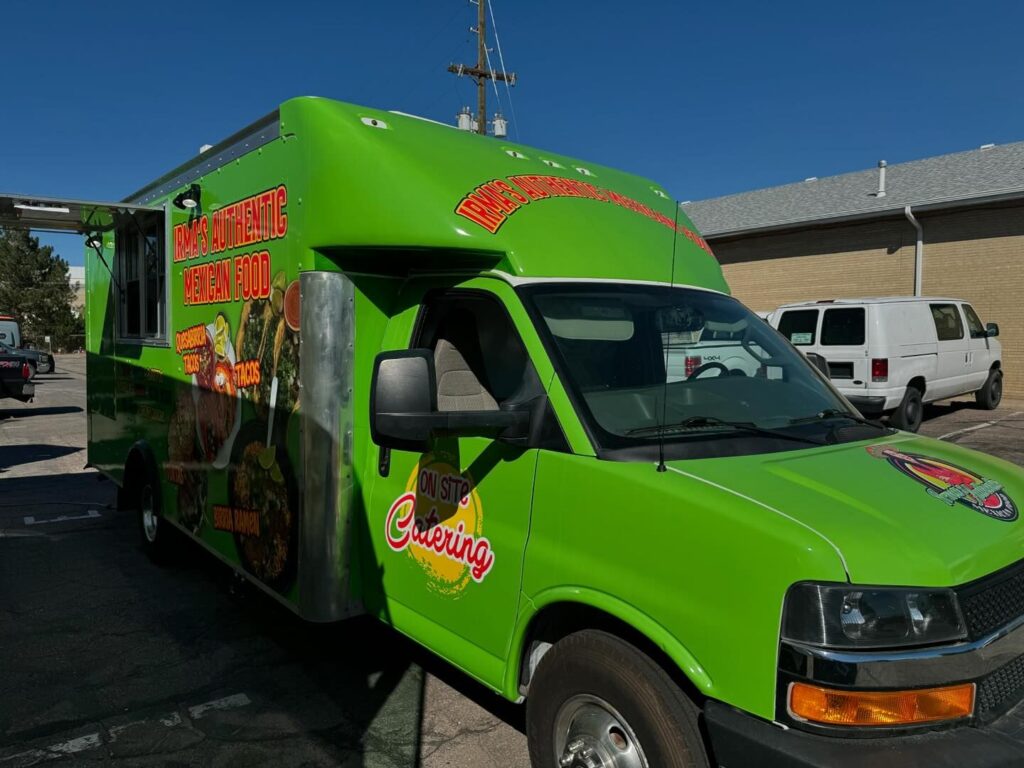
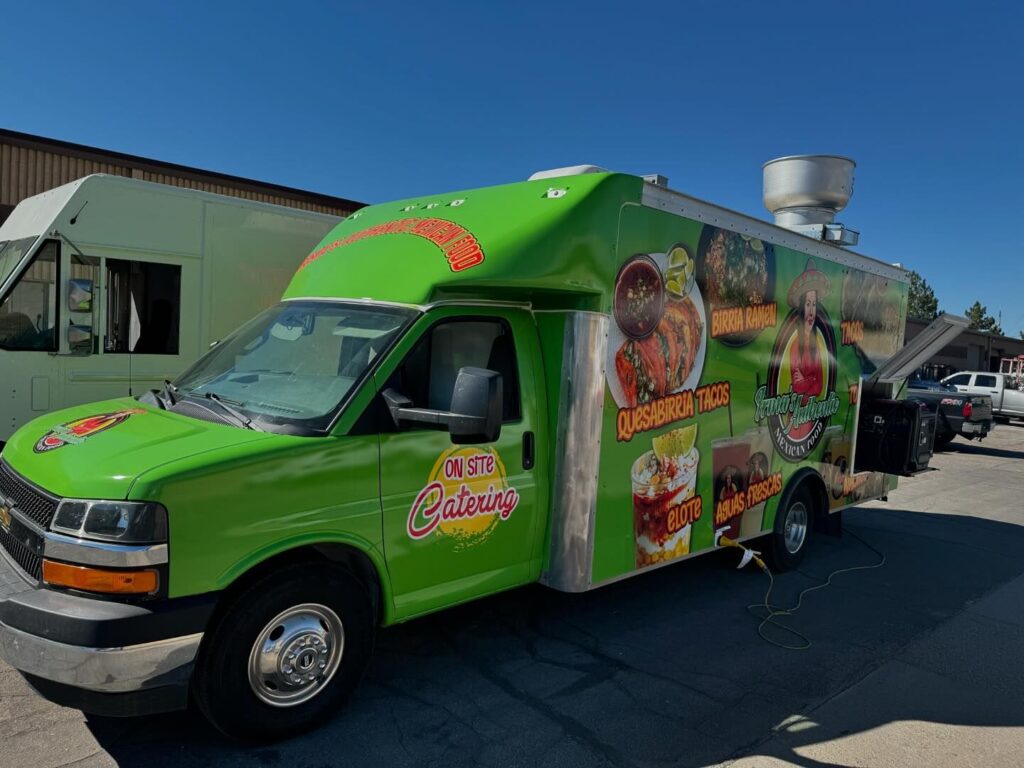
Why Pueblo is a Great Market for Food Trucks
- Code Compliance from the Start: Pueblo City-County Health Department and Pueblo Fire Department have detailed requirements for mobile food units. We build to code from the foundation up so you don't face expensive rework at inspection.
- Pueblo is known as the "Home of Heroes" and the Chile Capital of the World - local food trucks often feature Pueblo chile.
- Built to Last on Colorado Roads: The State Fair in late August draws over 400,000 visitors and is one of the biggest food truck events in southern Colorado. Your truck needs to survive daily use, highway miles, and Colorado weather. We use commercial-grade materials and reinforced construction throughout.
Local Requirements in Food Truck Builder
Pueblo is warmer than Front Range cities and sits at a lower elevation (4,692 ft). Your build can use standard-altitude equipment, but summer temperatures regularly hit 100F so strong refrigeration matters. At Zion Foodtrucks, every truck we build for Pueblo operators accounts for these local conditions from the start.
Pueblo City-County Health Department handles food truck inspections in Pueblo. Sales tax registration is handled at the garden level of City Hall. Visit pueblo.us/2151/Mobile-Food-Vendor for the Mobile Food Unit Handbook. We build every truck to pass these inspections the first time, with properly installed hood suppression systems, three-compartment sinks, dedicated handwashing stations, and code-compliant propane setups.
Pueblo offers lower startup costs than Front Range cities. Permit fees, commissary rentals, and parking costs are all significantly cheaper than Denver or Boulder. Popular food truck spots include Colorado State Fair, Chile & Frijoles Festival, Historic Arkansas Riverwalk events, and Pueblo Mall area. Pueblo’s lower cost of living makes it an attractive launchpad for first-time food truck owners who want to build a track record before expanding to larger markets
See Our Work in Pueblo
Watch videos of food trucks and trailers we’ve built for Pueblo area operators.
Our Pueblo Food Truck Build Process, Start to Finish
Building a food truck for Pueblo isn’t a template job. Every Pueblo operator we work with starts with a discovery conversation: what does your menu look like, how many service hours per day, what’s your peak ticket count, where will the truck be based, and which events are you targeting? From that initial call, we design a kitchen layout that matches your real production — not a generic floor plan from a catalog.
From design approval, the build follows a clear sequence: chassis selection, frame and structural work, insulation and interior skinning, plumbing and electrical rough-in, ventilation and hood installation, equipment placement and final hookups, finish carpentry and serving window buildout, exterior paint or wrap, and finally pre-delivery inspection and road testing. We document every step with photos so Pueblo customers can see progress without making the drive to our shop.
Engineered for Pueblo — 4,692 ft and Real Climate
A food truck built at sea level and shipped to Pueblo will underperform on day one. Southern Colorado’s hot summers (100F+), intense sun, chile-roasting ventilation demands, and mild winters with freeze snaps all change the engineering requirements. We spec every Pueblo build with propane orifices and regulators sized for altitude, generator capacity that accounts for thin-air efficiency loss, oversized HVAC for hot service days, insulated freshwater tanks and heated lines for winter operation, and UV-resistant automotive-grade exterior finishes that won’t chalk or peel after two summers of Colorado sun.
We also factor in the reality of how Pueblo operators actually use their trucks. Long haul miles to events, rough festival access roads, and the vibration of daily operation all destroy equipment mounted with generic brackets. Every equipment mount on a Zion-built truck is reinforced, plumbing is vibration-isolated, and serving windows are rigged with hardware that survives real-world abuse.
Plan Review and Permitting — We Handle the Pueblo Paperwork
One of the biggest reasons Pueblo food truck projects stall is the plan review process. Every custom build we deliver comes with a complete plan-review packet formatted for Pueblo City-County Health Department: floor plans, equipment specification sheets, water and wastewater capacity calculations, ventilation CFM calculations, electrical load diagrams, and menu-to-equipment matching. This is the packet your health department actually wants to see, not a generic brochure.
We coordinate plan review in parallel with the build so your license clears near truck delivery — not six weeks after. For Pueblo customers we also coordinate directly with the fire department on suppression, propane, and electrical permits, and we walk you through the business license and commissary requirements specific to your operating base. Most Pueblo builds go from contract signature to on-the-road legal operation in 12 to 20 weeks.
Equipment, Kitchen Configurations, and Menu Matching
The biggest mistake we see in cookie-cutter Pueblo food truck builds is equipment that doesn’t match the menu. A burger-and-fries concept needs different cooking equipment, ventilation, and workflow than a taco truck, pizza truck, or coffee truck. We build kitchens around your actual menu: fryer capacity matched to your peak ticket count, grill and flattop sizing based on cook times, refrigeration staged for actual prep flow, and a hood system that pulls enough CFM to keep the truck cool during a four-hour rush in August.
Common Pueblo configurations we build include high-volume fryer/grill combos, pizza trucks with deck or conveyor ovens, espresso and specialty coffee trucks, ice cream and dessert trucks with commercial freezer capacity, taco trucks with flat-tops and plancha setups, barbecue trucks with smoker integration, and specialty ethnic concepts. Every configuration gets a water capacity calculation that matches a realistic full service day without midday refills.
Timeline, Budget, and What to Expect in Pueblo
A realistic Pueblo custom food truck build runs 12 to 20 weeks from contract to delivery, depending on equipment lead times and current production queue. Budget-wise, Pueblo builds typically run from $75,000 for a streamlined single-service concept (coffee, ice cream, simple food) up to $200,000+ for a full restaurant-grade kitchen with multiple cook stations, oversized refrigeration, and premium finishes.
The biggest line items are usually the chassis (new vs used), kitchen equipment, generator, ventilation hood and suppression, and finish work. We’re transparent about every line item in every quote — you see exactly what you’re paying for. For Pueblo customers we also discuss financing partners, commissary options, and how to stage the build timeline around events like Historic Arkansas Riverwalk (HARP) so your first operating days fall on the highest-revenue dates of the year.
Why Building Custom Beats Buying Used in Pueblo
Used food trucks in the Pueblo market look cheap until you run them through a real inspection. The most common issues we see on used units: non-compliant plumbing that won’t pass plan review with Pueblo City-County Health Department, undersized or failing generators, corroded electrical, equipment that doesn’t match the buyer’s actual menu, weak or rotted structural elements, and ventilation systems that don’t meet current code. The total cost of bringing a used truck up to legal operation in Pueblo regularly runs $30,000 to $60,000 on top of the purchase price.
A custom-built Zion truck arrives with everything already right: compliant plumbing, properly sized generator, code-compliant hood and suppression, correctly matched equipment, and a warranty. You start day one with a legal truck, a clear plan-review packet, and a unit that’s actually designed around your menu and your Pueblo operating reality. If you want to evaluate a used option before committing, we’ll do a paid pre-purchase inspection so you know exactly what you’re walking into.
FAQ
Frequently Asked Questions
How long does it take to build a food truck in Pueblo?
Typical ground-up custom builds run 12 to 20 weeks from contract to delivery, depending on equipment lead times and current shop queue. Start plan review with Pueblo City-County Health Department in parallel so your license clears near delivery.
What does a custom food truck cost in Pueblo?
Pueblo custom builds typically run $75,000 for a streamlined single-service concept up to $200,000+ for a full restaurant-grade kitchen on wheels. Request a quote for a real number on your specific project.
Do you handle Pueblo plan review and permits?
Yes. Every build includes a complete plan-review packet formatted for Pueblo City-County Health Department, and we coordinate directly with the fire department on suppression, propane, and electrical permits.
Can you build a truck that handles Pueblo weather and altitude?
Yes. Every Pueblo build gets altitude-adjusted propane and generator sizing, insulated water systems, heated lines for winter, oversized HVAC, and UV-resistant exterior finishes.
Should I buy a used truck instead?
Used trucks almost always need $30,000 to $60,000 of compliance work to pass Pueblo City-County Health Department plan review. A custom build arrives legal, warrantied, and matched to your menu. We’ll do a paid pre-purchase inspection if you want to evaluate a used option first.
Zion Foodtrucks stands out for its exceptional craftsmanship, full customization options, and commitment to helping Pueblo entrepreneurs succeed.
Yes! Our food trucks are fully customizable, allowing you to choose kitchen equipment, layout, and branding that aligns with your food service goals.
Absolutely! Our food trucks are designed with durable materials to withstand Pueblo’s varying climate, ensuring longevity and efficiency.