
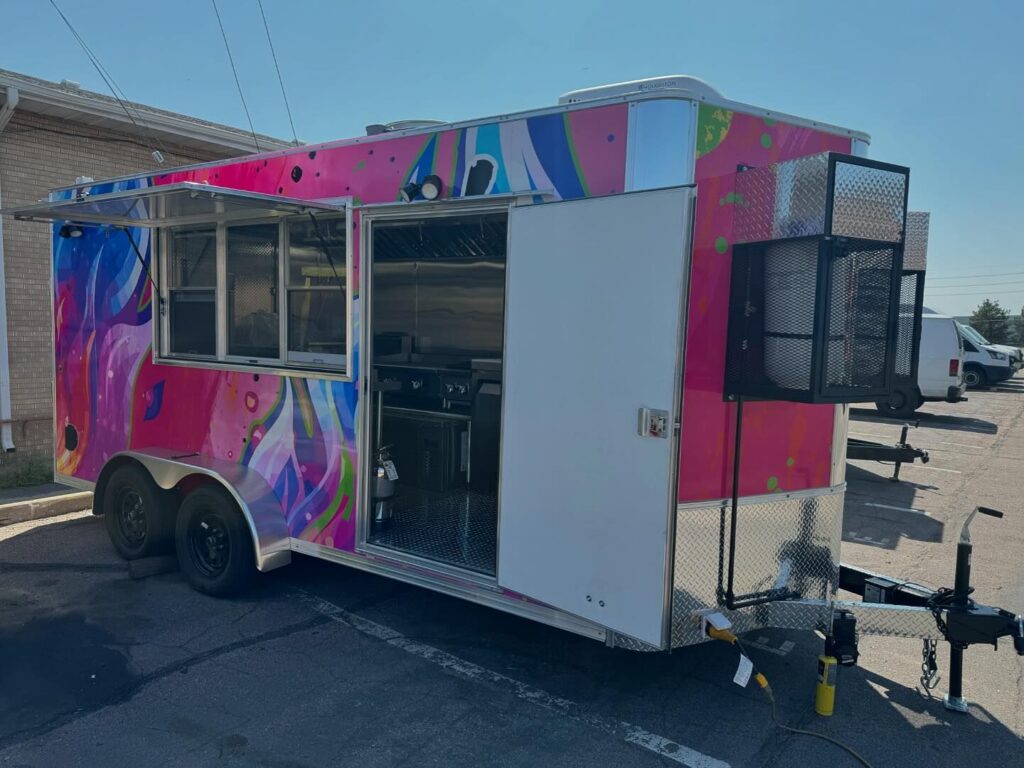
So What Does a Custom Food Truck Actually Run You in Colorado?
We get this question probably ten times a week. Someone calls up, they’ve been Googling “food truck cost Colorado” for three days straight, and they’re more confused than when they started. Craigslist has beat-up trucks for $30K. Some company in Texas is quoting $250K. And they can’t figure out why the gap is so massive.
Short answer? Most of our Colorado builds land between $90,000 and $175,000. But that range is huge, and the number you end up at depends on a handful of decisions that are worth understanding before you call anyone for a quote.
We’ve been building food trucks out of our shop for operators in Denver, Colorado Springs, Boulder, Fort Collins, and pretty much every other Colorado market. What follows is a breakdown of what actually drives the price up or down, based on hundreds of builds.

The Chassis and Body: Where Half Your Budget Goes
The single biggest line item on any food truck build is the vehicle itself. A new commercial chassis (think Ford F-59, Freightliner MT-45, or similar step van) runs $45,000 to $70,000 depending on length and configuration. Used chassis can cut that down to $15,000 to $35,000, but you’re inheriting someone else’s miles and maintenance history.
We do both. Some customers come in with a truck they already own. Others want us to source one. There’s no wrong answer, but there IS a wrong way to buy used. We’ve seen people grab a “deal” on a used step van only to discover the frame is rusted through or the engine needs $8,000 in work before we can even start the kitchen build. If you’re going used, get it inspected by a diesel mechanic first. Not a “my buddy knows trucks” inspection. An actual shop with a lift.
The body and shell work (framing, insulation, walls, flooring, serving window cutout) typically adds $12,000 to $25,000 to the build. This varies a lot by truck size. A 14-footer is a different animal than a 22-foot rig.
Watch us walk through this 18ft all-electric build we did for a Fort Collins operator.
Kitchen Equipment: This Is Where Menus Get Real
Your menu dictates your equipment, and your equipment dictates your cost. A coffee truck with an espresso machine, a blender, and a small fridge? That’s a $10,000 to $15,000 equipment package. A full-service kitchen cranking out smash burgers with a flat-top griddle, dual fryer, steam table, reach-in cooler, and three-compartment sink? You’re looking at $25,000 to $50,000 in equipment alone.
One thing we always tell people: don’t cheap out on the cooking equipment and then overspend on aesthetics. We’ve seen trucks with gorgeous custom wraps and LED lighting that had a residential-grade griddle bolted to the counter. That griddle is going to die in six months of heavy service. Commercial equipment costs more up front but it’ll outlast you.
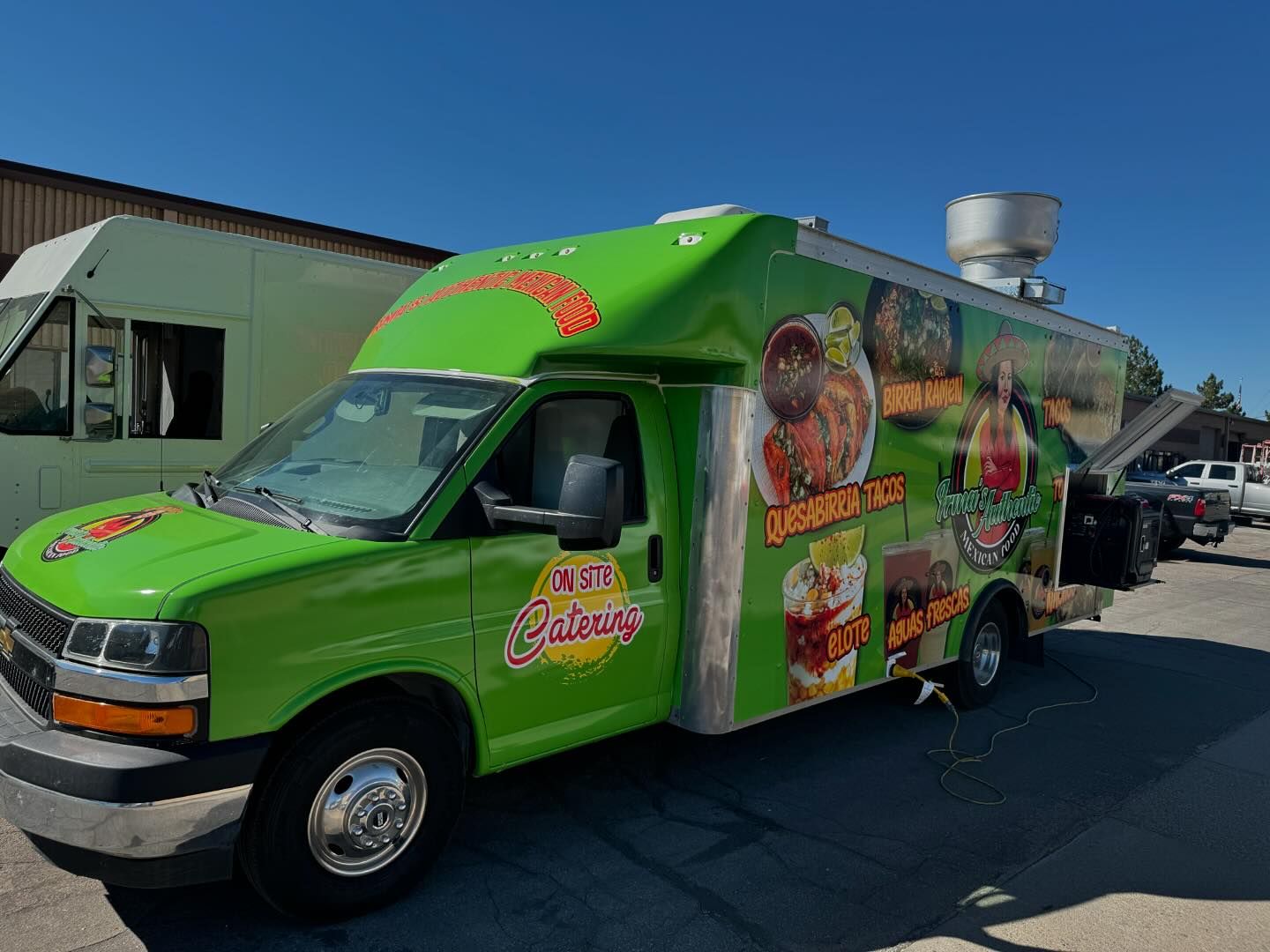
Colorado-Specific Costs That Out-of-State Builders Miss
This is the section that matters most if you’re comparing us to a builder in Florida or Texas. Colorado is not a sea-level state, and altitude changes everything about how food truck systems perform. We build for it. Most out-of-state shops don’t even think about it.
Propane systems need altitude-adjusted regulators. At 5,280 feet (Denver) or higher, standard propane regulators deliver too little gas to burners. Your griddle heats slow, your fryer won’t hold temp during a rush, and you’re standing there wondering what’s wrong. We install altitude-adjusted regulators on every build. It’s a $200 to $500 part that makes a massive difference.
Plumbing needs beefed-up water pumps. Lower air pressure means your water pump has to work harder to push water through the system. We spec commercial-grade pumps and larger supply lines so your three-compartment sink and handwash station don’t slow to a trickle when you’re running the sprayer. That’s an extra $500 to $1,500 depending on how complex your water setup is.
Refrigeration compressors have to be oversized. Thin air means less cooling. We put oversized condensers on every reach-in and walk-in because a cooler that holds 38 degrees in Houston might sit at 45 degrees at altitude on a hot day. Budget an extra $300 to $800 per refrigeration unit for the right specs.
We put together this video explaining exactly how the gas system in a food truck works. Worth watching if you’re comparing quotes.
UV protection isn’t optional here. Colorado’s UV index is brutal. A standard vinyl wrap that lasts 3 to 5 years in the Midwest will start fading within 12 to 18 months here. We use UV-rated wraps and powder-coat exposed metal frames. That adds $1,000 to $2,500 to the build, but your truck won’t look washed out after one summer season.
Generators lose power at altitude. A generator rated for 10kW at sea level might only put out 8.5kW in Denver. We size every generator 15 to 20 percent above what the equipment list calls for, so you don’t get brownouts during a dinner rush when the fryer, griddle, and AC are all hammering at once. Expect $3,000 to $8,000 for a properly sized unit.
Three Real Builds, Three Different Budgets
Numbers are easier to digest with actual examples. These are anonymized but real builds we’ve done in the last year:
The $85K Taco Truck
14-foot used step van ($18K). Basic but solid kitchen layout: flat-top griddle, single fryer, steam table, three-compartment sink, handwash. Standard vinyl wrap with one color plus logo. Onan generator. No AC (the operator works spring through fall only). Came in at $85,000 all-in and passed Denver health inspection first try.
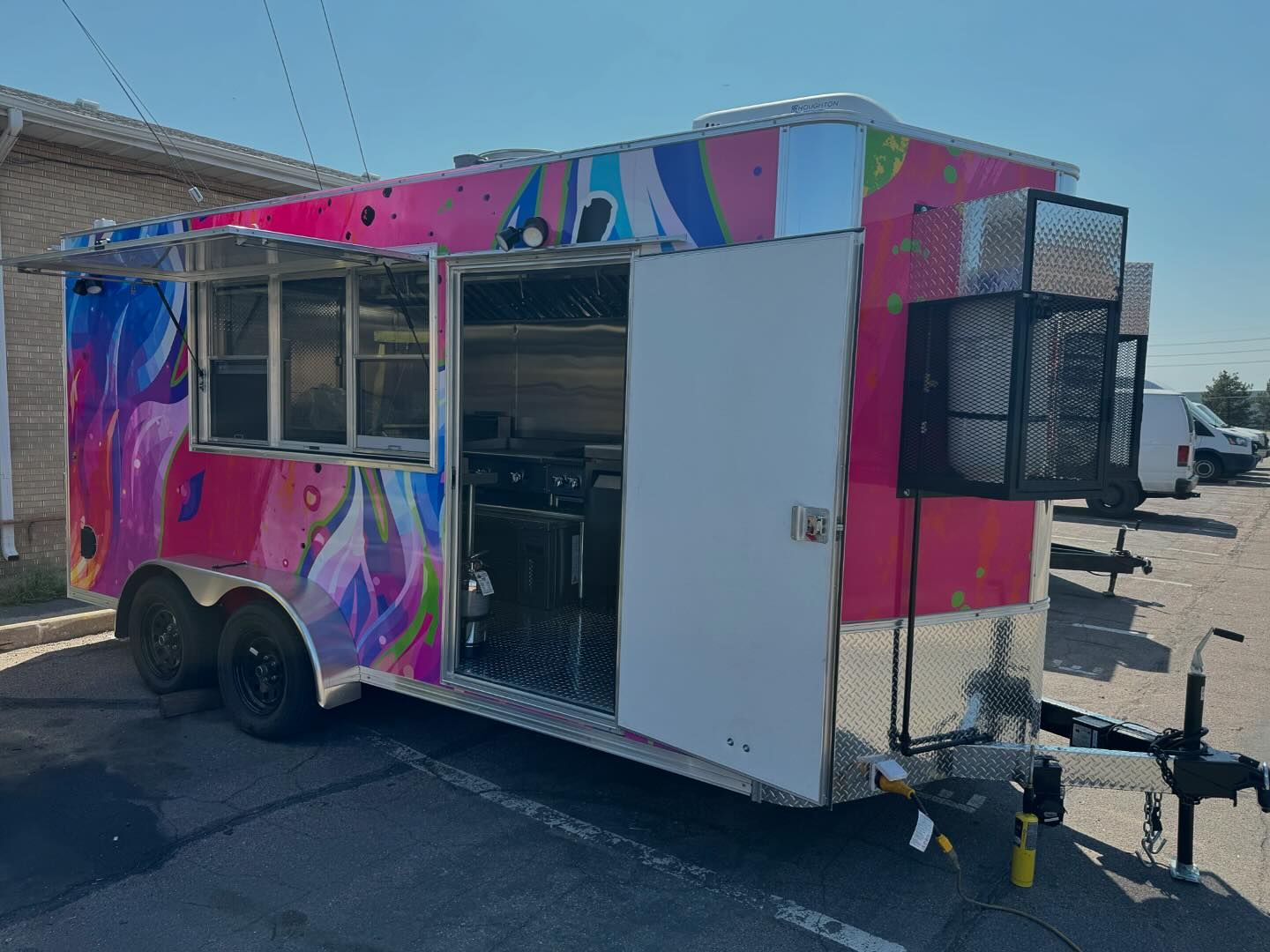
The $130K Burger-and-Wings Rig
18-foot new chassis ($52K). Full kitchen: dual flat-top, dual fryer, six-foot hood with Ansul suppression, walk-in reach-in combo, full plumbing with hot water on demand. Custom full wrap. Cummins generator with sound dampening. AC unit. This truck works year-round in Colorado Springs and does catering on the side. Total build: $130,000.
The $170K All-Electric Pizza Truck
22-foot new chassis with all-electric kitchen. No generator, no propane. Induction cooktops, electric convection oven, electric pizza deck. Tesla Powerwall-style battery system with shore power hookup. Full wrap, LED accent lighting, exterior menu screens. This was a premium build for a Boulder operator who wanted zero emissions. Came in at $170,000.
Here’s a walkthrough of one of our all-electric builds. The future of food trucks, honestly.
The Hidden Costs Nobody Warns You About
The build price is the big number, but it’s not the only number. A few things catch first-time operators off guard:
Permits and licenses. Denver alone charges around $500 for a mobile food establishment license. Add a state sales tax license, a business license, and potentially a commissary agreement. Budget $1,000 to $2,000 in year-one paperwork costs across Colorado.
Insurance. Commercial auto plus general liability plus product liability. For a Colorado food truck, you’re looking at $3,000 to $6,000 per year. Some event organizers require $2M in coverage, which bumps your premium up. Don’t skip this step. One grease fire or slip-and-fall claim can end your business.
Commissary fees. Colorado requires most food trucks to have a commissary (a licensed commercial kitchen) for food prep and truck cleaning. Monthly commissary fees run $500 to $1,500 in the Denver metro. Some operators get creative and partner with restaurant kitchens during off-hours.
Wrap design. The wrap itself costs $2,500 to $5,000 for printing and install, but the graphic design work is separate. A good food truck wrap designer charges $800 to $2,000 for the design files. Worth it. Your truck IS your billboard, and a bad wrap looks worse than no wrap at all.
How Most People Pay For a Food Truck
Very few of our customers write a check for the full build. Most do some kind of financing. Equipment financing through lenders who specialize in food trucks is the most common route. You’re typically looking at 3 to 7 year terms with monthly payments between $1,500 and $2,800. We work with a few equipment-finance partners who actually understand the mobile food industry, and we’re happy to connect you once you know what you want to build.
SBA microloans are another solid option, especially for first-time business owners. And Colorado has some state-specific small business grants worth looking into through the Colorado Office of Economic Development.
One piece of advice: don’t finance a truck you can’t cash-flow within 6 months of operation. If your projected monthly revenue doesn’t cover the loan payment plus operating costs with room to spare, scale back the build or adjust your business plan. We’d rather build you an $85K truck that makes money than a $170K truck that bankrupts you.
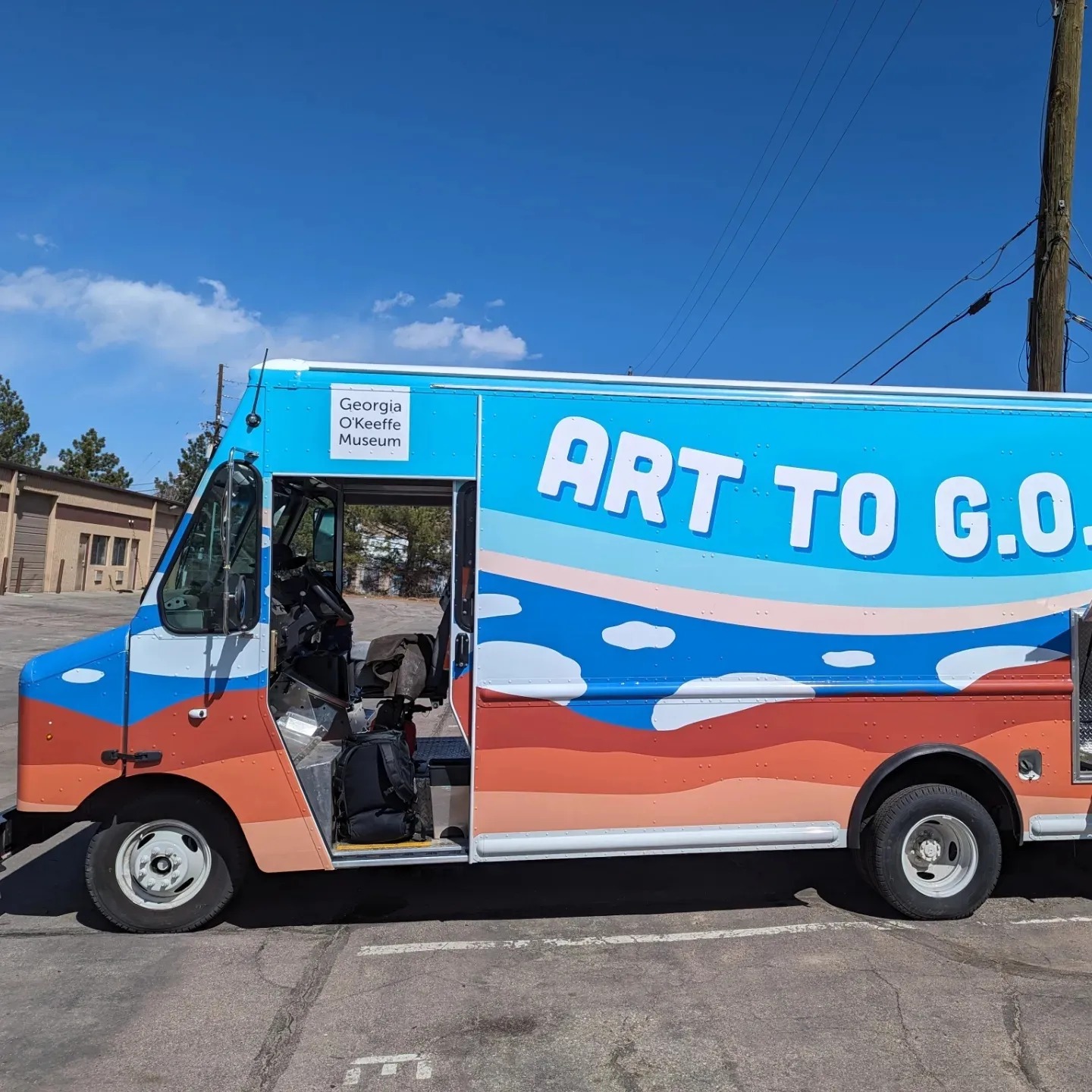
What You Get When You Work With Zion
We could talk about ourselves all day (occupational hazard), but the short version: every Zion build includes a hands-on walkthrough where we teach you how every single system in the truck works. Gas, electric, plumbing, generator, fire suppression. We don’t hand you keys and wave goodbye. You get a written warranty on the build and all installed equipment, and you get lifetime phone support. We’ve had people call us three, four, five years after delivery with questions and we still pick up. That’s not a sales pitch. That’s just how we operate.
Here’s us walking through a food truck electrical system. This is the kind of stuff we cover in every delivery walkthrough.
Ready to figure out what your build would cost? Check out our Denver food truck builder page or just give us a call at (719) 896-5553. No pressure, no hard sell. We’ll talk through your concept, your budget, and what a realistic build looks like for you. If we’re not the right fit, we’ll tell you that too.
You can also explore builds for Colorado Springs, Aurora, Boulder, Fort Collins, Grand Junction, and Pueblo.
Ready to Start Your Food Truck Journey?
Now that you know what a custom food truck costs in Colorado, here’s what to do next. Not sure if a truck or trailer is the right call? Our food truck vs food trailer comparison covers the pros, cons, and Colorado-specific considerations for each. Need the full startup roadmap? Check out our complete guide to starting a food truck in Colorado.
If you’re planning to operate in Denver, read our Denver food truck inspection requirements guide before your build starts — it’ll save you from costly retrofits. Explore our food truck manufacturing and food trailer manufacturing services, or check out our 14-foot food truck builds if you’re looking for a compact, budget-friendly option.