

Planning to operate a food truck or food trailer in Denver, Colorado? If you’re building your first mobile kitchen or expanding into the Denver market, understanding the city’s inspection and permit requirements is essential before you can start serving customers. Denver has its own licensing system managed through multiple city departments, and as of 2026, a new statewide reciprocity law has simplified operations across Colorado.
This guide covers everything you need to know about passing your food truck inspections in the City and County of Denver – from the permits you’ll need, to fire safety requirements, health department standards, and the commissary kitchen rules that trip up many first-time operators.
Building a food truck for Denver? See what a fully-equipped, inspection-ready truck actually costs with our free build & cost calculator.
Recent builds around Denver
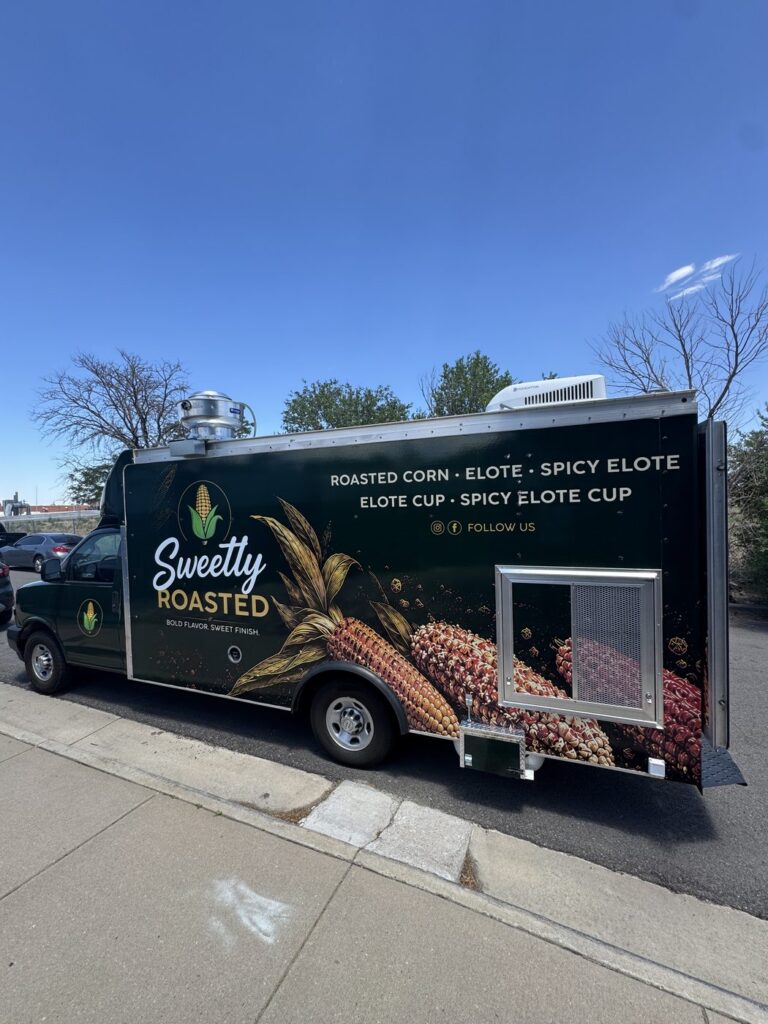
Built without a generator on purpose: the truck runs on shore power and the box became dry storage.
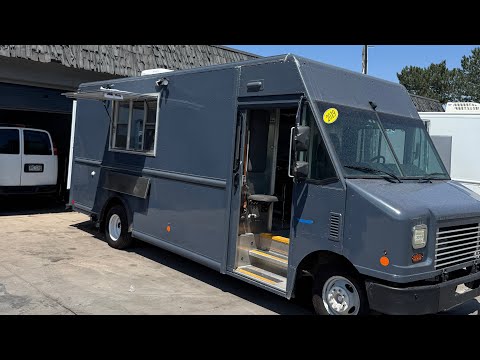
A catering truck built for private events along the Front Range.

A 2019 Ford E350 box truck turned into a sealed taco kitchen with its own framing and an RV door.

Approved by Boulder County to operate as its own commissary, with 75 gallons of fresh water and 90 of grey.
What Food Truck Permits Actually Cost in Denver (2026)
Budget roughly $550 for your first year and about $350 a year after that for a full service truck running propane. Denver is unusual in that it does not charge one flat license fee. It charges $25 for every food-processing activity your truck performs, so a truck that only reheats and sells packaged food pays far less than one cooking raw meat and cooling it for later.
| Fee | Amount | Who charges it |
|---|---|---|
| Application fee (new applicants only) | $150 one time | Dept. of Licensing and Consumer Protection |
| Retail food mobile license | $25 per food-processing activity, so $25 to $225 | Dept. of Licensing and Consumer Protection |
| Flammable (propane) operational permit | $200 per year | Denver Fire Department |
| Zoning use permit for a food truck | $50 per year | Community Planning and Development |
| Zoning special event permit | $10 per event | Community Planning and Development |
| Denver retail sales tax license | $50 per location, covers two years | Denver Treasury |
The nine activities that each add $25 are: selling prepackaged cold food, scooping ice, heating commercially processed food or cold holding, cooking raw animal products, cooling cooked food, reheating previously cooked food, serving raw or undercooked animal products, any specialized process such as curing or sous vide, and infusing products with hemp. Most full service trucks land on four or five of them.
Two things that catch people out. Denver requires a signed Affidavit of Commissary before it will issue the license, and your truck has to be completely finished before you apply, because Denver wants photographs of all four sides plus two interior shots. If you do not use propane at all, you can ask Denver Fire for an exemption letter instead of paying the $200 permit.
Fees above are published by the City and County of Denver and were verified in August 2026. Denver does not print a dated fee ordinance, so confirm current amounts when you apply.
Overview: Denver’s Multi-Department Permit Process
Unlike some cities where a single agency handles food truck licensing, Denver requires coordination across three departments. Each one handles a different piece of the puzzle, and you’ll need approvals from all three before you can legally operate:
- Department of Excise and Licenses: Issues the Retail Food Establishment-Mobile license (your primary business license to operate a food truck in Denver)
- Denver Fire Department: Conducts fire safety inspections and issues the Flammable Operational Permit for propane-powered units
- Denver Department of Public Health & Environment (DDPHE): Reviews your mobile plan, inspects food safety practices, and makes sure health code compliance
The process begins with Excise and Licenses. You must submit a complete Mobile Plan Review application to them before either the Fire Department or DDPHE will schedule an inspection.
Permits and Licenses Required
Here is the full list of permits and licenses you’ll need to operate a food truck or food trailer in Denver:
1. Retail Food Establishment-Mobile License
This is your core license from the City and County of Denver, required for all food trucks, food trailers, and food carts operating within city limits. The annual cost ranges from $200 to $350 depending on the type and size of your operation. Processing can take up to 30 days during the busy season (spring and summer), so plan ahead.
2. Denver Fire Department Flammable Operational Permit
If your food truck uses propane (which approximately 80% of food trucks do), you’ll need this permit. The annual cost is $200, and it requires passing a fire safety inspection. If your unit does not use propane or any flammable fuels, you can obtain a free exemption letter instead. If you fail your first inspection, reinspection costs $100.
3. Zoning Permit for Private Property
If you plan to park and operate on private property, you’ll need a zoning permit at $50 per year. This makes sure your chosen location is properly zoned for mobile food vending.
4. Colorado Sales Tax License
Required for collecting and remitting sales tax. You can register for free online through the Colorado Department of Revenue.
5. Food Handler Certifications
Every employee who handles food must obtain a Food Handler’s License within 30 days of being hired. Additionally, at least one person on your team should hold a Food Safety Manager Certification (typically $50-$150), which is required during the application process.
6. Commissary Kitchen Agreement
You must have a signed agreement with a licensed commissary kitchen. More on this critical requirement below.
Estimated First-Year Costs
Here’s a realistic breakdown of what you should budget for permits and operational costs in your first year of operating a food truck in Denver:
- City mobile food license: $200-$350/year
- Fire Department propane permit: $200/year
- Zoning permit (private property): $50/year
- Food Safety Manager certification: $50-$150
- Commissary kitchen rental: $200-$800/month ($2,400-$9,600/year)
- Insurance: $1,800-$4,200/year
- Total estimated first-year costs: $3,900-$13,750 (excluding the truck itself)
Fire Safety Inspection: What Denver Fire Department Looks For
Denver will not issue or renew your food truck license without proof of a passed fire inspection. This is one of the most common points where new operators get held up, so it’s worth understanding exactly what the Denver Fire Department checks.
Propane System Requirements
- Maximum LP-gas capacity: 200 pounds (for example, two 100-lb tanks or equivalent)
- All gas piping must run under the vehicle, below any insulation or false bottom
- Piping must enter the vehicle through the floor directly beneath or adjacent to the appliance it serves
- A clearly labeled propane shutoff valve is required – signage must use 2-inch red letters on a white background
- All connections must be leak-free (inspectors will test for leaks)
Fire Suppression System
- A Type I commercial kitchen hood with an automatic fire suppression system is required for any cooking that produces grease-laden vapors
- The suppression system must be professionally installed and inspected by a third party before the Denver Fire Department will conduct their inspection
- A portable fire extinguisher (minimum 2A:10BC rated) must be mounted and easily accessible
See a Zion Food Truck Fire Suppression System in Action
Here is a food truck we custom-built for a Denver customer, featuring a Type I commercial hood with automatic fire suppression, compliant propane setup, and all required safety equipment:
Electrical Safety
- All electrical connections must meet code and be properly grounded
- Generator installations must be ventilated and secured
- No exposed or damaged wiring
To schedule a fire inspection, contact the Denver Fire Department at 720-913-3474 or email DFDmobiles@denvergov.org. You’ll need to submit your unit specs before they schedule the inspection.
Health Department Inspection: DDPHE Requirements
The Denver Department of Public Health and Environment (DDPHE) conducts the health and food safety portion of your inspection. An Environmental Health Specialist will review your menu, ask questions about your food preparation procedures, and then physically inspect your mobile unit and equipment.
Key Areas DDPHE Inspects
- Handwashing station: A dedicated handwashing sink with hot and cold running water, soap, and paper towels is mandatory. This must be separate from your food prep and dishwashing sinks.
- Food storage and temperature control: Proper refrigeration for all perishable items. Hot-holding equipment must maintain food at 135°F or above. Cold items must be held at 41°F or below.
- Three-compartment sink: Required for washing, rinsing, and sanitizing dishes and utensils.
- Waste disposal: Proper gray water containment and disposal system. Liquid waste cannot be discharged on the ground.
- Food preparation surfaces: All surfaces must be smooth, non-absorbent, and easily cleanable. Stainless steel is the industry standard.
- Pest control: Screens on windows and openings, proper food storage to prevent contamination.
- Employee hygiene: Evidence of proper handwashing procedures, hair restraints, and clean uniforms.
Watch how Zion Food Trucks builds units with all required health department equipment – including dedicated handwashing stations, three-compartment sinks, and proper food storage systems:
The Commissary Kitchen Requirement
One of the most important requirements that catches new food truck operators off guard is the commissary kitchen mandate. In Denver, a commissary is defined as a facility approved by DDPHE where food, containers, or supplies are kept, handled, prepared, packaged, or stored – and that operates in compliance with all applicable regulations.
By default, your food truck must physically report to your commissary every operating day for servicing, restocking, and maintenance. This means you need a signed commissary agreement before you can even apply for your license.
Can You Operate Without Daily Commissary Visits?
Yes, but your truck must be fully self-contained. If you want to skip daily commissary reporting, your food truck or trailer must include all of the following onboard: a mop sink, a food preparation sink, a three-compartment sink, adequate cooking equipment, and sufficient storage. The decision on whether your unit qualifies is at the discretion of DDPHE.
This is one of the reasons why investing in a well-designed, fully-equipped food truck from the start can save you significant ongoing costs – a properly built truck with all required sinks and equipment may eliminate the need for a $200-$800/month commissary rental.
2026 major shift: Colorado License Reciprocity (HB25-1295)
As of January 1, 2026, Colorado House Bill 25-1295 created full license reciprocity between Denver and the rest of the state. This is the biggest regulatory change for food truck operators in years. Here’s what it means for you:
- A Denver Retail Food Establishment-Mobile license is now accepted across all Colorado jurisdictions
- Similarly, a Colorado state license (CDPHE) is now accepted in Denver
- You only need to send a copy of your license to a new jurisdiction at least 14 days before you plan to operate there
- No more paying for duplicate licenses in every city and county you want to serve
This means that if you get licensed in Denver, you can operate your food truck anywhere in Colorado with just a 14-day notice – from Colorado Springs to Fort Collins to Boulder. It significantly reduces the cost and paperwork of expanding your food truck business across the state.
Step-by-Step: How to Get Your Denver Food Truck Licensed
- Secure your commissary kitchen agreement: Find and sign a contract with a licensed commissary facility in the Denver area.
- Get your food truck built or inspected: Make sure your truck meets all equipment requirements (hood suppression, sinks, refrigeration, propane system). If you’re building new, work with a manufacturer who understands Denver’s specific requirements.
- Submit your Mobile Plan Review: File your application with Denver’s Department of Excise and Licenses. Include your floor plan, equipment list, menu, commissary agreement, and proof of insurance.
- Schedule your fire inspection: Contact the Denver Fire Department to schedule your fire safety inspection. Have your hood suppression system professionally inspected by a third party first.
- Pass your health inspection – DDPHE will inspect your unit for food safety compliance.
- Obtain your Food Handler certifications: Make sure all employees have their Food Handler’s License and at least one team member has a Food Safety Manager Certification.
- Register for Colorado Sales Tax: Complete your free registration through the Department of Revenue.
- Receive your license and start operating: Once all inspections are passed and fees are paid, you’ll receive your Retail Food Establishment-Mobile license.
Common Reasons Food Trucks Fail Denver Inspections
Based on common inspection failures across Denver and Colorado, here are the issues that most frequently cause food trucks to fail their first inspection:
- Missing or improperly installed hood suppression system: This must be installed and third-party inspected before DFD will even look at your truck.
- Propane shutoff valve signage missing or incorrect: Must be 2-inch red letters on white background.
- No dedicated handwashing sink – A shared sink does not count. You need a separate, dedicated handwashing station.
- Inadequate hot/cold holding temperatures: Your equipment must reliably maintain food at safe temperatures.
- Missing commissary agreement: You cannot pass without a signed agreement from a licensed facility.
- Improper gray water disposal: You must have a contained system; dumping on the ground is an automatic fail.
Related Colorado Food Truck Guides
Planning to operate beyond Denver? Colorado’s new HB 25-1295 reciprocal licensing law makes it easier than ever to expand your food truck business across the state. Check out our complete guide to starting a food truck in Colorado for everything you need to know about launching and growing your mobile food business.
Explore inspection requirements in nearby cities:
Frequently Asked Questions About Denver Food Truck Permits
How much does a food truck permit cost in Denver?
First-year costs in Denver typically range from $1,500 to $2,500 depending on your setup. This includes the DDPHE mobile food establishment license ($350), Denver Fire Department flammable operational permit ($200), zoning permits, sales tax license, and required food handler certifications.
How long does it take to get a food truck license in Denver?
The full licensing process in Denver usually takes 4 to 8 weeks if you have all your documents ready. The Denver Department of Public Health and Environment (DDPHE) handles health permits, while fire safety inspections are scheduled separately through Denver Fire. Delays most often come from incomplete commissary agreements or missing food handler cards.
Do I need a commissary kitchen to operate a food truck in Denver?
Yes. Denver requires every food truck to have a signed commissary kitchen agreement before issuing a mobile food establishment license. Your commissary must be a licensed commercial kitchen where you store food, wash equipment, and dispose of wastewater. You cannot use a residential kitchen.
What inspections are required for food trucks in Denver?
Denver food trucks must pass two primary inspections: a health inspection by the Denver Department of Public Health and Environment covering food handling, temperature control, and sanitation, and a fire safety inspection by Denver Fire Department covering propane systems, fire suppression, ventilation, and electrical safety.
Can I use my Denver food truck license in other Colorado cities?
Yes. Under Colorado HB 25-1295, which took effect January 1, 2026, Denver-licensed food trucks can apply for reciprocal licenses in any other Colorado jurisdiction. This was a major change since Denver previously operated under a completely separate health licensing system from the rest of the state.
Denver Food Truck Official Resources & Contact Information
The Denver Department of Public Health & Environment (DDPHE) oversees all mobile food vendor licensing in Denver. DDPHE handles health inspections, plan reviews, and food safety permits for food trucks operating within city limits. You can reach their Public Health Inspections division at (720) 913-1311 or visit the Denver government portal at denvergov.org to access the Mobile Food Vendors FAQ and application forms.
Denver charges a non-refundable application fee of $150 for new mobile food vendor licenses, with annual renewal fees ranging from $100 to $200 depending on the type of operation. The city requires a separate fire department permit through Denver Fire Department Prevention, which inspects suppression systems, propane configurations, and fire extinguisher placement. Fire permit applications are available at the Denver Fire Prevention office at 745 W Colfax Ave.
Denver operates under a unique regulatory framework compared to other Colorado cities. The city has its own environmental health division rather than relying on a county health department, which means food truck operators must apply directly through DDPHE rather than through a regional agency. Denver also requires mobile vendors to maintain a commissary agreement with a licensed commercial kitchen for food storage, preparation, and wastewater disposal. A list of approved commissary kitchens is available through DDPHE upon request.
How Zion Foodtrucks Can Help
At Zion Foodtrucks, we build custom food trucks and food trailers specifically designed to meet Denver and Colorado health, fire, and safety inspection requirements. Every unit we manufacture includes properly installed hood suppression systems, code-compliant propane configurations, dedicated handwashing stations, three-compartment sinks, and all the equipment you need to pass your inspections the first time.
Every food truck and food trailer we build is warrantied to pass inspection. That is not a marketing slogan – it is our commitment. We know exactly what Denver Fire Department and DDPHE inspectors look for, and we engineer every unit to meet or exceed those standards. If your Zion-built truck does not pass inspection, we will make it right.
Denver Food Trucks We Have Built
Do not just take our word for it – see the food trucks and trailers we have custom-built for Denver entrepreneurs just like you:
We have helped hundreds of food truck entrepreneurs get on the road in Denver and across Colorado. Our team understands the specific requirements of the Denver Fire Department and DDPHE, and we build every truck with those standards in mind – so you can focus on your food, not your paperwork.
Ready to start your food truck business in Denver? Contact us today at 719-722-2537 for a free consultation and custom quote. We will help you design a food truck or food trailer that is built to pass inspection and built to last.
Key Denver Food Truck Contacts
- Denver Excise and Licenses: denvergov.org/Business-Licensing
- Denver Fire Department (Mobile Food Vendors): 720-913-3474 | DFDmobiles@denvergov.org
- Denver Department of Public Health & Environment: denvergov.org/Public-Health-Environment
- Colorado Department of Revenue (Sales Tax): tax.colorado.gov
- Denver Food Truck Association: denfta.org
Disclaimer: Permit requirements and fees can change. We recommend verifying current requirements directly with the City and County of Denver before beginning your application process. This guide was last updated in March 2026.
Need Food Truck Services in Denver?
Zion Foodtrucks provides professional food truck services in the Denver area:
- Custom Food Truck Building in Denver
- Food Truck Manufacturing in Denver
- Food Truck Repair in Denver
- Food Trailer Manufacturing in Denver
Call 719-722-2537 for a free quote.
Zion Foodtrucks builds custom food trucks, trailers, and concession trailers from our shop in Monument, Colorado and delivers them ready to pass inspection across the Mountain West. Owner Jacob Varghese and our team work with first-time owners every day, sourcing the vehicle and handling the full build so you do not have to. Questions about permits or your build? Call or text Jacob at 719-722-2537 or see our custom build services.
Free Food Truck Permit & Inspection Checklist
We put together a printable checklist covering every permit and inspection a mobile food business typically needs. Tell us where to send it and it is yours.
Next steps: free build & cost calculator · 2026 food truck cost guide · food truck financing
Already Have a Truck? We Do the Compliance Work Too
Passing an inspection is one thing, staying current is another. We handle the recurring items out of our Colorado shop:
- LP gas pressure testing, $350. Required annually, and again after any modification.
- Fire suppression inspection and service, $300. The code interval is every 6 months, not annual, which catches a lot of operators out.
- Hood and exhaust cleaning, with the written report and logbook entry inspectors ask to see.
Booked together they are one visit and one day off the road instead of three. Call or text 719-722-2537.
Ready to build your truck?
We design and build custom food trucks and trailers compliant with the regulations on this page. From a single phone call to keys-in-hand in 6 to 8 weeks for most builds.
Built in Woodland Park, Colorado. Delivered to operators in CO, AZ, NE, MT, and WY.
Comments are closed.