Leading Food Truck Manufacturer in Denver, CO
Get a Free Quote Now!
Superior Quality, Tailored Designs, and Reliable Service
Why Zion Foodtrucks Is Denver’s Preferred Manufacturer
- In-House Manufacturing: Frame welding, interior fabrication, electrical, plumbing, and equipment installation - we do it all under one roof. No subcontractors, no finger-pointing. Your truck is built by the same team from start to finish, ready for Denver streets.
- Designed for Your Business Model: A truck serving lunch at RiNo has different needs than one catering private events in LoDo. We design around your menu, your crew, and your revenue targets - not a one-size template.
- Colorado-Rated Equipment and Systems: At 5,280 ft, standard equipment underperforms. We install commercial-grade cooking, refrigeration, and ventilation equipment rated for high altitude and semi-arid with hot summers and cold, snowy winters.
Why Food Trucks Succeed in Denver, CO
- Regulatory Knowledge: Denver runs its own municipal health department separate from CDPHE, so permit processes differ from other Colorado cities. We stay current on code changes so your truck meets all requirements at delivery.
- Production Timeline You Can Plan Around: We give you a realistic build schedule and stick to it. If you're targeting Civic Center Eats or a specific launch date, we plan backward from your deadline.
- Post-Delivery Support: Manufacturing doesn't end at handoff. We provide warranty coverage, maintenance support, and upgrade services for every truck we build in the Denver market.
Local Requirements in Food Truck Manufacturer
Denver’s high altitude (5,280 ft) and dry climate mean your truck’s propane system, ventilation, and refrigeration need to be calibrated for elevation. Freezing winters and hot summers put extra stress on plumbing and HVAC systems. At Zion Foodtrucks, every truck we build for Denver operators accounts for these local conditions from the start.
Denver Department of Public Health & Environment (DDPHE) handles food truck inspections in Denver. DDPHE requires a Retail Food Establishment-Mobile license, a fire department permit, and a city business license. Costs are capped at $580 for new trucks. We build every truck to pass these inspections the first time, with properly installed hood suppression systems, three-compartment sinks, dedicated handwashing stations, and code-compliant propane setups.
Denver has one of the strongest food truck markets in the Mountain West. The city’s growing population of over 700,000 and a steady stream of tourism create year-round demand. Popular food truck spots include Civic Center Park food truck rallies, RiNo First Friday, Coors Field game days, and Cherry Creek farmers markets. Denver operates its own health department separate from the state CDPHE system, so licensing works differently here than in other Colorado cities
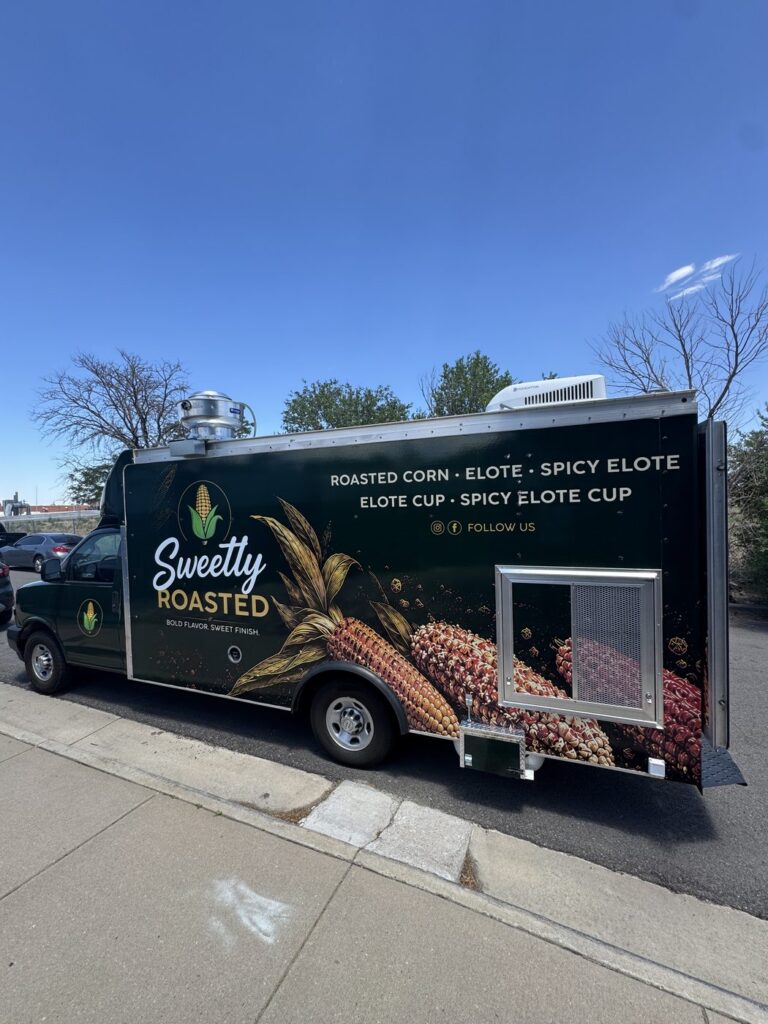
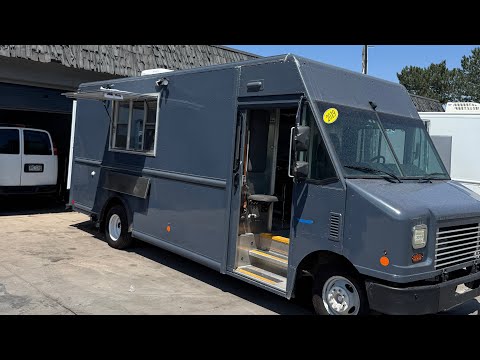
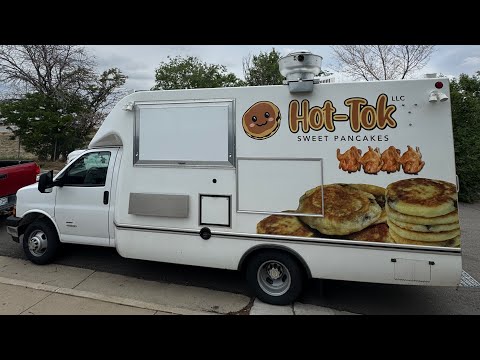
See Our Work in Denver
Watch videos of food trucks and trailers we’ve built for Denver area operators.
FAQ
Frequently Asked Questions
Answering your questions about our food truck manufacturing services.
We combine high-quality craftsmanship, full customization options, and local expertise to create food trucks that support your success in Denver.
Yes! Zion Foodtrucks offers customization options for kitchen layouts, equipment, and branding to help you stand out in Denver’s competitive market.
Absolutely! Our trucks are built to handle Denver’s weather conditions, ensuring reliable performance throughout the year.
Building for Denver altitude and weather
We are at 5,280 feet in Denver. That changes how a truck has to be built. Propane regulators behave differently up here. Refrigeration compressors work harder. Hood exhaust rated at sea level moves less air at altitude, so suppression sizing has to be recalculated. Most operators do not think about any of this until their cooler short-cycles in August or their fryer underperforms during a Civic Center Eats lunch.
We build with that in mind. Compressors get sized up. Propane lines get high-altitude regulators. Hood CFM gets calculated for thinner air. The truck box is insulated for both 95-degree summer asphalt and February overnights at 10 below. That is the swing you actually deal with in Denver.
Compliance with Denver Department of Public Health and Environment
DDPHE is one of the stricter local jurisdictions in Colorado. They require plan review before they will license a new mobile food unit, and they look closely at hood ventilation, sink layout, and commissary documentation. Our builds come pre-engineered to pass that review.
We have delivered enough trucks to Denver that we know the inspector preferences. They want a separate hand-wash sink visible from the service window. They want propane mounted with specific clearance from electrical. That is already in our standard build, not a change order.
Frequently asked questions
How long does a custom Denver food truck build take?
Six to eight weeks from final design approval. We schedule production around your launch date so you are operating, not waiting.
Do you handle the DDPHE licensing process?
We pre-build to DDPHE specs and hand you the documentation package an inspector asks for. You file the license. We make sure the truck passes the inspection.
What is different about a Denver build versus a generic build?
Altitude-rated equipment, weather-spec insulation, DDPHE-compliant layout, and a chassis option that handles I-70 grades. A generic sea-level build does not account for any of that.
Can you deliver to Denver from Woodland Park?
Yes. It is 75 miles. We deliver finished trucks to Denver weekly. No additional fee within the Front Range.
See our full Denver service area for everything we do in the metro. Need equipment installed in an existing truck? We do that too. Want a BBQ rig? We have got a Denver template.