
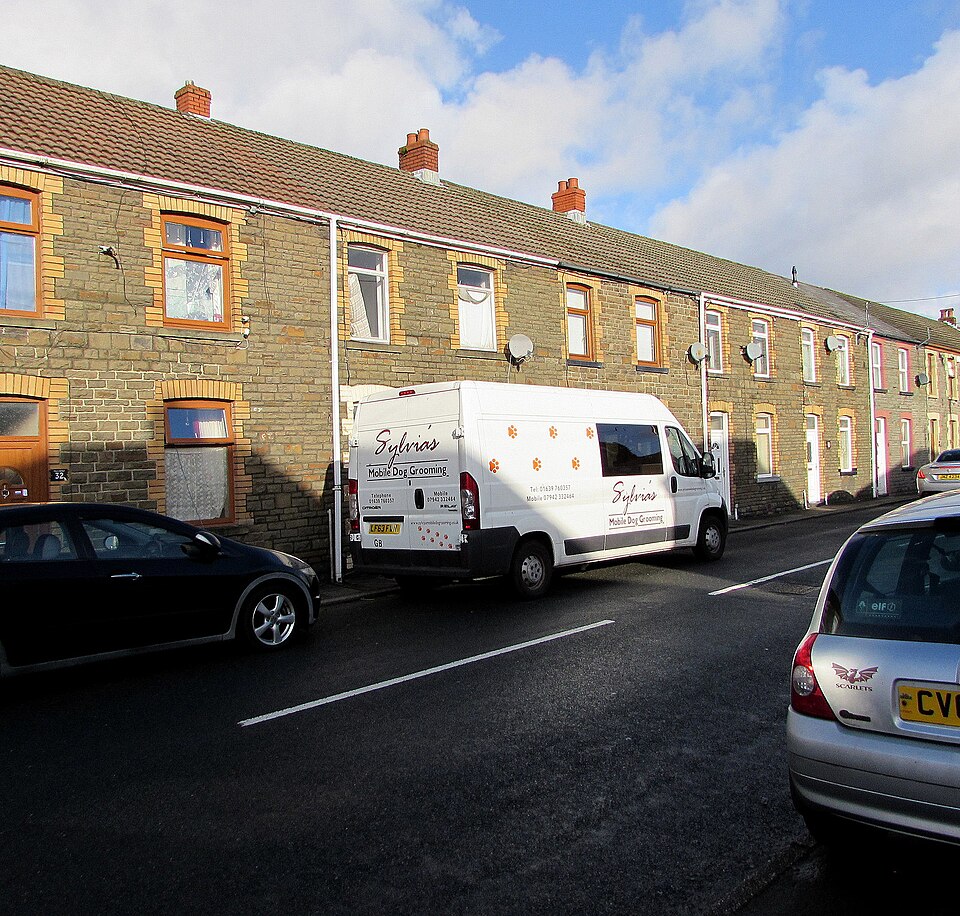
A used mobile grooming van is cheaper up front, and for the right buyer it is the smart move. For a first-time owner, though, the cheaper van is not always the cheaper decision, because a grooming rig is really three systems stacked on a vehicle: water, power, and climate. When those systems are worn or were built to an older standard, the savings on the sticker can come straight back as repairs and downtime. Here is how to weigh used against refurbished and new, what to inspect, and how to think about the total cost rather than just the price.
Get a Free Quote →Call 719-722-2537
The price gap, and what is actually behind it
Used grooming vans sell for well below a new custom build, and the gap is real for concrete reasons. A new price buys a sound, freshly sourced vehicle, water and power systems built to current standards, equipment that is new rather than near the end of its service life, and a layout designed around your dogs. A used price reflects the depreciation the first owner already absorbed, which is a genuine saving, but it also transfers the vehicle wear, the previous owner layout, and the age of the generator, inverter, water heater, and dryers onto you. The right question is never simply which is cheaper today. It is which is cheaper after the first year of running a route, once you account for repairs, downtime, and any retrofits you need to make the van fit how you work.
The systems that fail first on a used grooming van
Three areas bite used buyers most often. The vehicle itself carries the same engine, transmission, and frame risk as any used van, so it deserves a normal pre-purchase mechanical inspection. The power system is the expensive surprise: a tired generator near the end of its hours, an undersized or aging inverter, or wiring that was never built to run the high-velocity dryers and the air conditioning at the same time is a real bill, and it is the failure that most often sidelines a route. Our guide to generator sizing explains why that combined load is so demanding and what adequate looks like. The water and climate systems age too, so a cracked or leaking tank, a slow or failing water heater, or an air conditioner that can no longer hold a safe temperature with a dog inside all become your problem the day you take ownership.

Think in total cost of ownership
A useful way to compare is to stop looking at the sticker and start adding it up. Total cost of ownership is the purchase price plus the repairs and retrofits the van will need, plus the income you lose on the days it cannot run. A used van that costs much less but needs a new generator, a tank, and a week in the shop in its first season may end up costing more than a fresh build that simply works. Price the van you are considering this way, honestly, before you decide it is the bargain.
An inspection checklist
If you are seriously considering a used van, do not buy it on a walk-around. Inspect the vehicle and the grooming systems, ideally with help. On the vehicle, check the engine, transmission, drivetrain, brakes, tires, suspension, frame, and rust, and have a mechanic verify it. On the systems, check the generator hours and condition, the electrical panel and inverter setup, the fresh and gray water tanks and the pump, the water heater, the air conditioning and the heat, and the bath, tub, and dryers under load. Ask for service records, run a title and lien check so you are not buying someone else debt, and confirm the van can pass inspection and registration in your state. The single most important question is whether it can run a full route exactly as it sits. If the seller cannot show you that, you are buying a project, not a working van, and you should price it like one.
Financing a used van is different
One practical note: financing a used grooming van often comes with shorter terms, higher rates, and vehicle-age limits compared with a new build, because the collateral is older. Factor that into the comparison. A used van that looks cheaper on price can carry a payment that is not as far below a new build as you expect once the loan terms are set. Our financing guide covers how lenders treat these rigs.
The refurbished middle path
There is a strong option between a tired used van and an all-new platform: a refurbished build. We source and inspect vehicles for every build, and a refurbished rig built on a sound used vehicle lets you keep much of the savings of a pre-owned platform while the grooming systems, the electrical, and the climate control are built fresh to current standards. You get a lower total than an all-new vehicle without inheriting someone else mystery wiring or a generator on its last legs. Tell us your budget and we will tell you honestly whether new or refurbished is the better fit for you.
When a fresh build is worth the premium
For someone who has never run a mobile rig, the premium on a fresh or refurbished build mostly buys down risk in the year it matters most. The water, power, and climate systems are built to current standards so they pass inspection and run a full day, the vehicle is sourced and inspected so you are not inheriting mechanical problems, and the layout is designed around your dogs and your workflow rather than the last owner. See our custom mobile pet grooming van and trailer builds and our comparison of a mobile rig versus a stationary salon.
Used grooming van FAQ
Is it cheaper to buy a used grooming van?
Up front, yes. Used mobile grooming vans generally sell well below a new custom build because the first owner already absorbed the steepest depreciation. But the money you save on the sticker can come back as repairs and retrofits, especially on the water, power, and climate systems, so the cheaper van is not automatically the cheaper decision over your first year of running a route.
What should I check before buying a used grooming van?
Inspect both the vehicle and the grooming systems, ideally with a professional. On the vehicle: engine, transmission, drivetrain, brakes, tires, frame, and rust. On the systems: the generator hours and condition, the electrical and inverter setup, the fresh and gray water tanks and pump, the water heater, the air conditioning and heat, and the bath and dryers. Ask for service records and run a title and lien check. The key question is whether it can pass inspection and run a full route exactly as it sits.
How old is too old for a grooming van?
There is no hard rule, but lenders often limit financing on older vehicles, and the systems age along with the chassis. A well-maintained van with documented service can be a fine buy at higher mileage, while a neglected newer one can be a money pit. Judge the maintenance history and a current inspection, not just the model year.
Does Zion sell refurbished grooming vans?
We source and inspect vehicles as part of every build, and a refurbished rig built on a sound used vehicle can be a strong middle path: a lower total than an all-new platform, with the grooming systems and electrical built fresh to current standards. Tell us your budget and we will tell you honestly whether new or refurbished fits you better.
Why can a new or refurbished build be worth the premium?
For a first-time owner, the premium mostly buys down risk in the year it matters most. The water, power, and climate systems are built fresh so they pass inspection and run a full day, the vehicle is sourced and inspected so you are not inheriting mechanical problems, and the layout fits your workflow instead of the previous owner’s.
Get a Free Quote →Call 719-722-2537
Keep reading: our pet mobile build overview, what a pet mobile costs, the cost calculator, generator sizing, water capacity, and what a route earns.