Castle Rock is one of the strongest small-market food truck destinations on the Colorado Front Range. The town has roughly 80,000 residents per the 2024 Town of Castle Rock estimate, sits on I-25 halfway between Denver and Colorado Springs, and has grown faster over the past decade than almost any other Colorado community of its size. For an operator looking at where to launch or rotate, Castle Rock combines the demographics that support a premium ticket with the venue density that keeps a truck booked. This is the long version of what an operator actually needs to know to launch a food truck for the Castle Rock market in 2026.
Recent Castle Rock Build
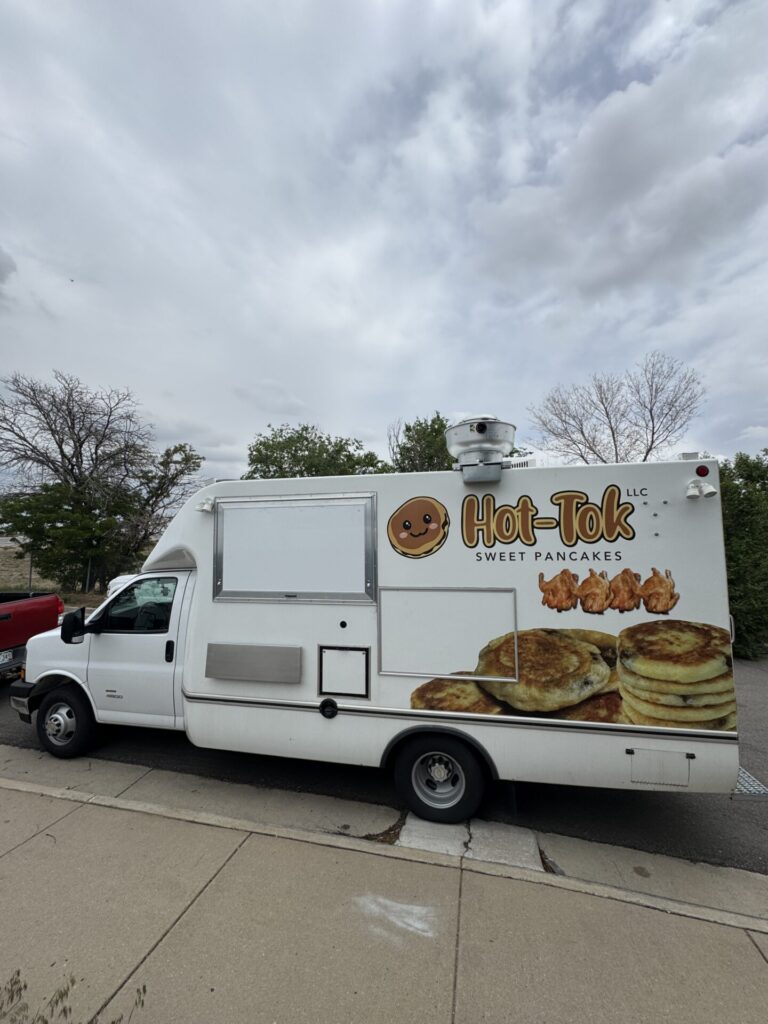
Hot-Tok Korean Sweet Pancakes Truck
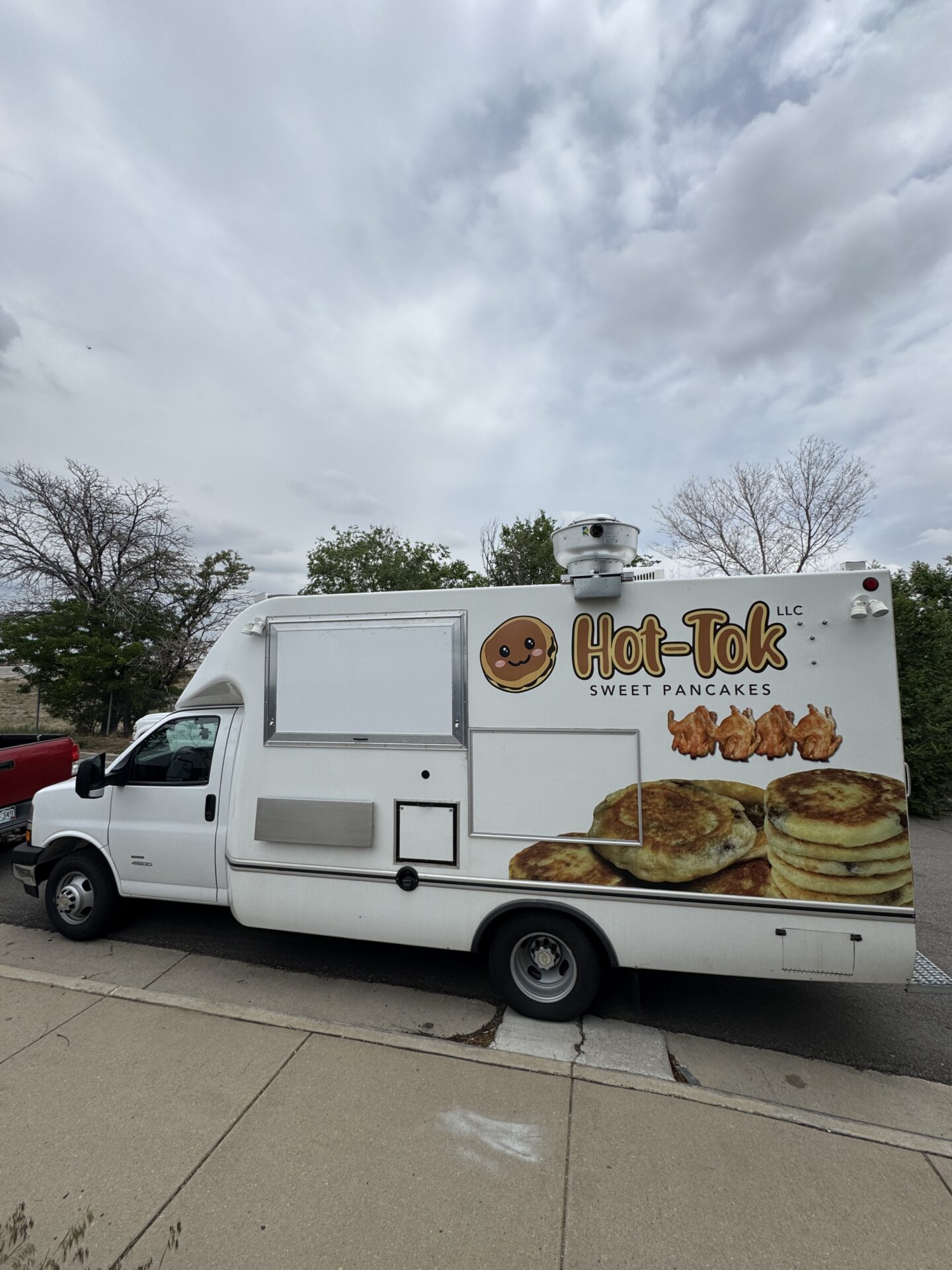
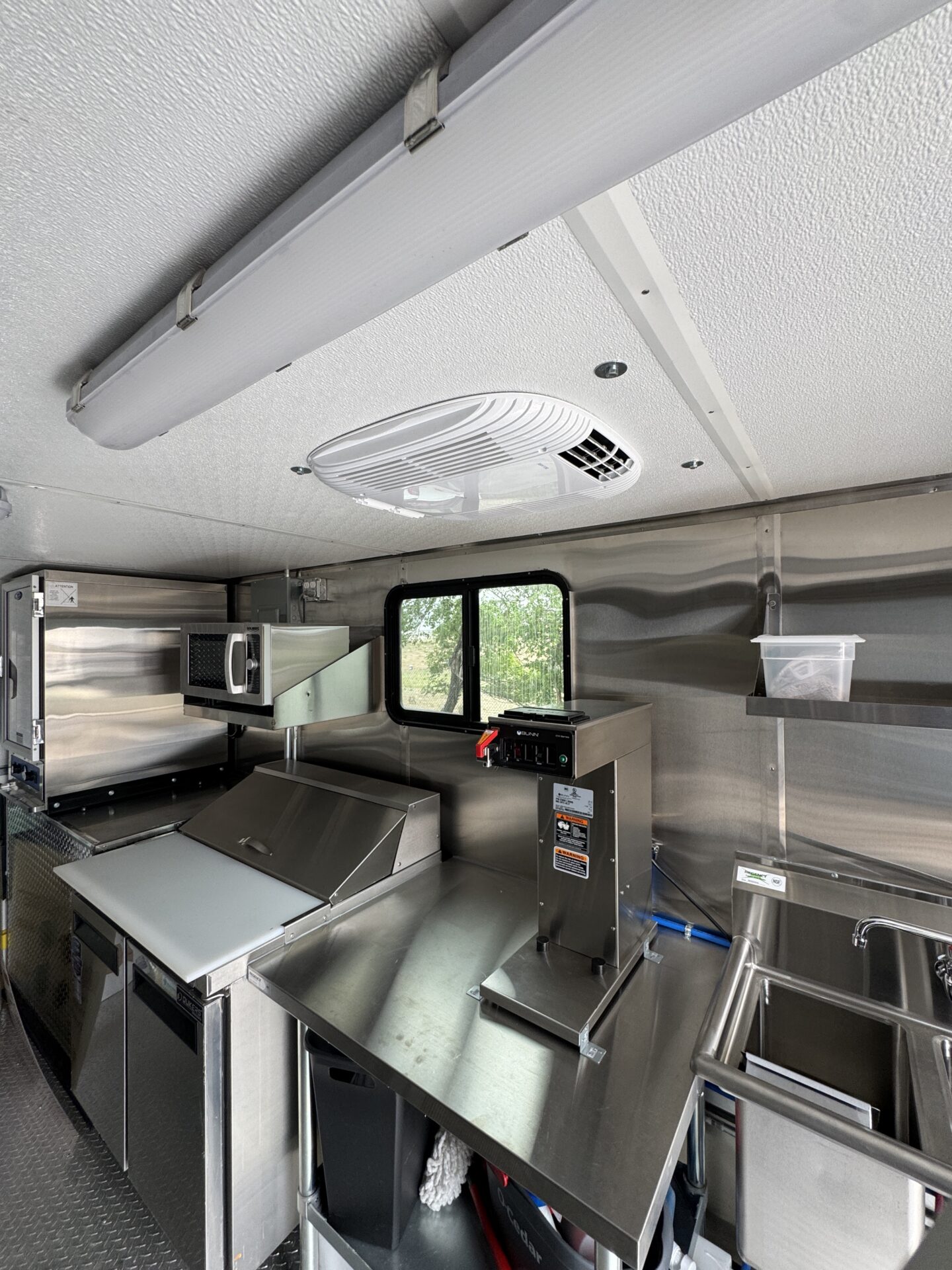
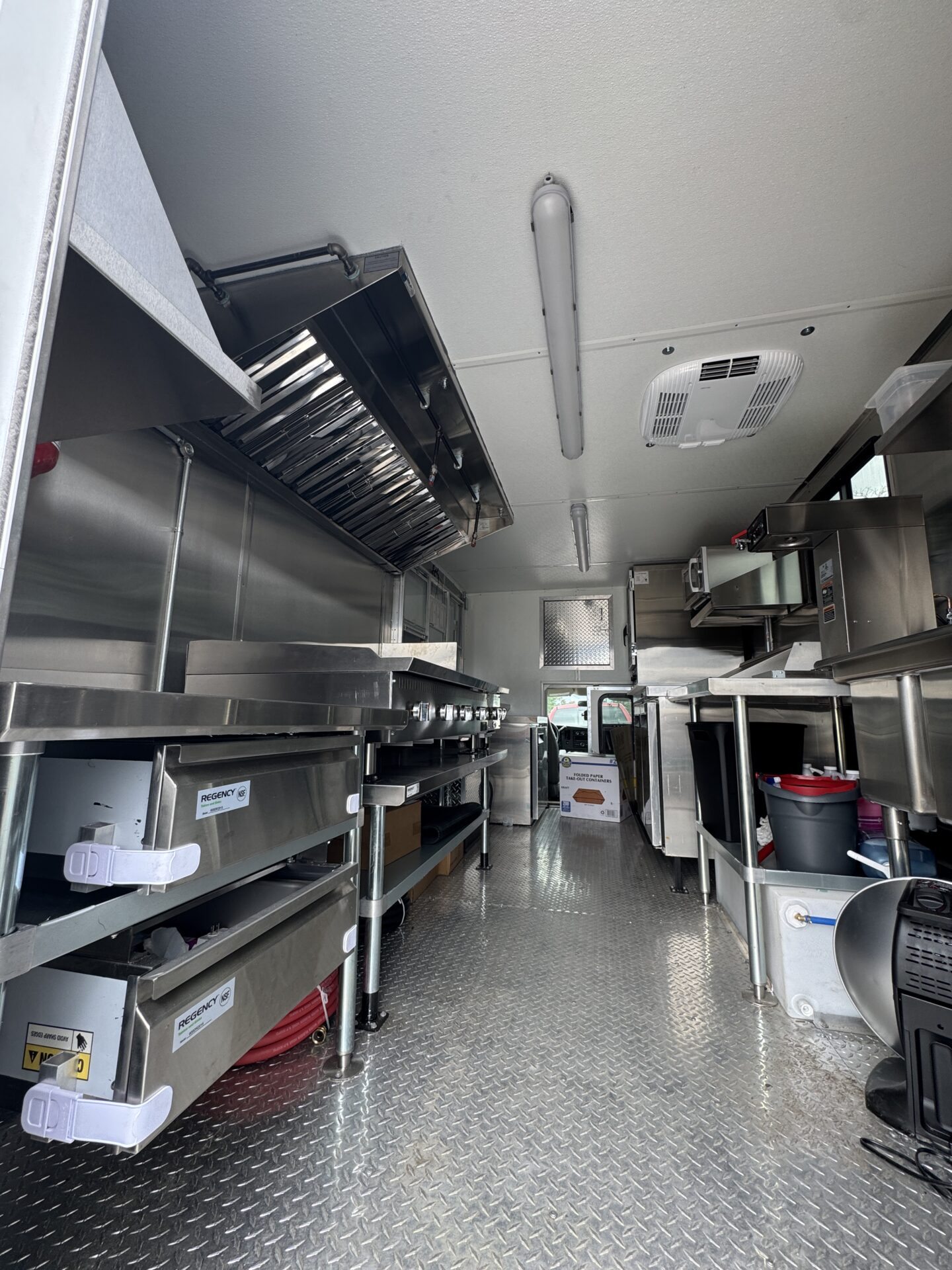
A 14ft Korean sweet pancake food truck we just built for Hot-Tok LLC in Castle Rock. 48 inch griddle, 9-pan dough proofer, refrigerated prep table, full refrigeration, integrated Kitchen Display System and POS, 12kW generator, and the full hotteok and Korean fried chicken cooking line. The first KDS-equipped build we have shipped.
Why Castle Rock works as a food truck market
The demographics are the headline. Per the U.S. Census Bureau and Town of Castle Rock estimates, median household income runs about $129,000, almost double the Colorado median and roughly twice the national median. Population growth has averaged roughly 3 to 4 percent annually over the past decade, with new master-planned communities like The Meadows, Castle Pines, Plum Creek, and Founders Village continuously expanding the customer base. Most of those communities are built around walkable retail centers and community green spaces that book food trucks for events.
The town also benefits from steady drive-through traffic on I-25, plus tourist anchor traffic at the Outlets at Castle Rock, one of the largest outlet malls in Colorado with over 100 brand-name stores. Both pull customers from outside the immediate town into food truck venues that are positioned to catch the spillover.
And direct competition for novel street food is light. Castle Rock has a few well-established quick-service restaurants and a small handful of food trucks that rotate through downtown and the breweries, but compared to Denver or Colorado Springs, the per-capita food truck density is lower. That makes the market a strong landing spot for a differentiated concept, especially anything ethnic, dessert-forward, or photogenic. The Hot-Tok build pictured below is a recent example of that exact strategy.
The big venues and events
The venues that drive food truck revenue in Castle Rock fall into a few categories. Here is the working list operators should know.
The Outlets at Castle Rock
The Outlets at Castle Rock is the largest single shopping destination in the area, pulling millions of shoppers annually per Outlets visitor materials. The lot rotates food trucks during peak season, particularly Friday through Sunday and around major holiday shopping weekends. Vendor inquiries go through the Outlets management office and require an active mobile retail food establishment license plus general liability insurance with the Outlets named additional insured.
Philip S. Miller Park
Philip S. Miller Park is the town’s signature event venue, with the 1,000-seat Amphitheater that hosts the summer Music in the Park concert series, community festivals, the annual Castle Rock Half Marathon, and the Starlighting Christmas tree lighting ceremony in late November. Food truck bookings for events at the park go through Town of Castle Rock Parks and Recreation. The amphitheater concert series and festival schedule typically gets published in March or April for the year.
Downtown Castle Rock
Downtown Castle Rock around Wilcox Street and the Promenade hosts a steady mix of First Friday events, Downtown Alive summer concerts, and seasonal festivals. Downtown Castle Rock manages the event calendar and food vendor selection for most of the recurring events. The historic downtown has limited street parking, so most truck bookings are in designated event spaces or at the breweries.
The brewery rotation
Castle Rock has a real brewery scene that books food trucks on a consistent cadence. Castle Rock Brewing Company on Wilcox, Old World Brewery on Park Street, and Bigfoot Brewing in nearby Sedalia are all regular bookers. The brewery rotation is the closest thing to a year-round revenue floor for a Castle Rock truck. Operators who secure two or three brewery slots a week have a baseline business that they can scale around with festival and event bookings.
Corporate and HOA bookings
The corporate and HOA market in Castle Rock is bigger than people expect. The new master-planned communities all run summer pool parties, fall block parties, and holiday gatherings that book food trucks. The Meadows community alone hosts dozens of food truck events per year. Plum Creek, Castle Pines, and Founders Village similar. Securing a few HOA contacts and getting on their annual planning lists is one of the highest-leverage moves a new Castle Rock operator can make.
Licensing: Tri-County Health plus the Town of Castle Rock
The base license for any food truck operating in Castle Rock is a Mobile Retail Food Establishment license issued by the Tri-County Health Department, which covers Adams, Arapahoe, and Douglas counties for food safety oversight. The Tri-County application requires a documented commissary kitchen, a truck inspection, and proof of a Certified Food Protection Manager on the staff. Annual fees run roughly $400 to $600 depending on the operation type, and the license has to be renewed every year by the operator’s anniversary date.
The Town of Castle Rock layers its own permits on top of the county license for specific venues. Parks and Recreation issues special event vending permits for park venues including Philip S. Miller Park, with fees that vary by event size and duration. Downtown Castle Rock manages vendor selection for downtown event series. Private property bookings (breweries, the Outlets, corporate, HOA) do not require additional town permitting beyond the standard Tri-County license, provided the property owner has granted permission.
Operators also need a Colorado sales tax license through the Department of Revenue (free to apply for, but you collect 8.18% combined Castle Rock sales tax on food and beverage and remit monthly), and a Town of Castle Rock business license for any operation with a fixed presence in the town. Our state-by-state food truck permits guide covers the Colorado regulatory layer in more detail.
How we build for the Castle Rock market
Our shop is in Woodland Park, Colorado, about 90 minutes south of Castle Rock. That makes us one of the closest custom food truck builders for any Castle Rock operator, with the ability to deliver in person, do on-site walkthroughs at our shop, and handle any post-delivery service or modifications without the operator hauling the truck across the country. A custom build runs roughly six to eight weeks from deposit to delivery.
For Castle Rock specifically, we build in:
- Plumbing that passes Tri-County Health inspection on the first walk-through, with proper hot water capacity, sealed wall surfaces, NSF-listed equipment, and the standard 30 gallon fresh and 40 gallon grey water tank configuration
- Propane systems NFPA 58 compliant for the Castle Rock Fire Department inspection layer
- UL 300 wet chemical hood suppression over any commercial cooking equipment, with current inspection tag and K-class extinguisher at the line
- Generator sizing for the typical Castle Rock event power situation (most park venues do not have shore power, so a 12kW or larger generator is the practical answer)
- Cold weather operation: insulated water lines, optional diesel heater for winter brewery service, and chassis-appropriate tires for the late-season Front Range weather
What it costs in year one
Real first-year fixed costs for a Castle Rock operator, separate from the truck itself.
- Tri-County Mobile Retail Food Establishment license: $400 to $600 annual
- Castle Rock Parks event vending permits: variable, $50 to $250 per event for park venues
- Commissary rental: $300 to $1,000 per month, with options in Castle Rock proper and in the south Denver metro
- Commercial general liability insurance: $1,500 to $3,500 per year for a single truck
- Colorado sales tax registration: free, with 8.18% Castle Rock combined sales tax collected and remitted monthly
- Castle Rock business license: $50 to $100 annual for operations with town presence
- Fire department inspection: bundled with Tri-County inspection in most cases, no separate fee
Total fixed first-year cost for licensing, insurance, and a baseline commissary in Castle Rock lands roughly $6,000 to $10,000 before fuel, propane, food costs, payroll, or the truck itself. That number can flex up if the operator works heavy event circuits with per-event permitting.
What the build looks like up close
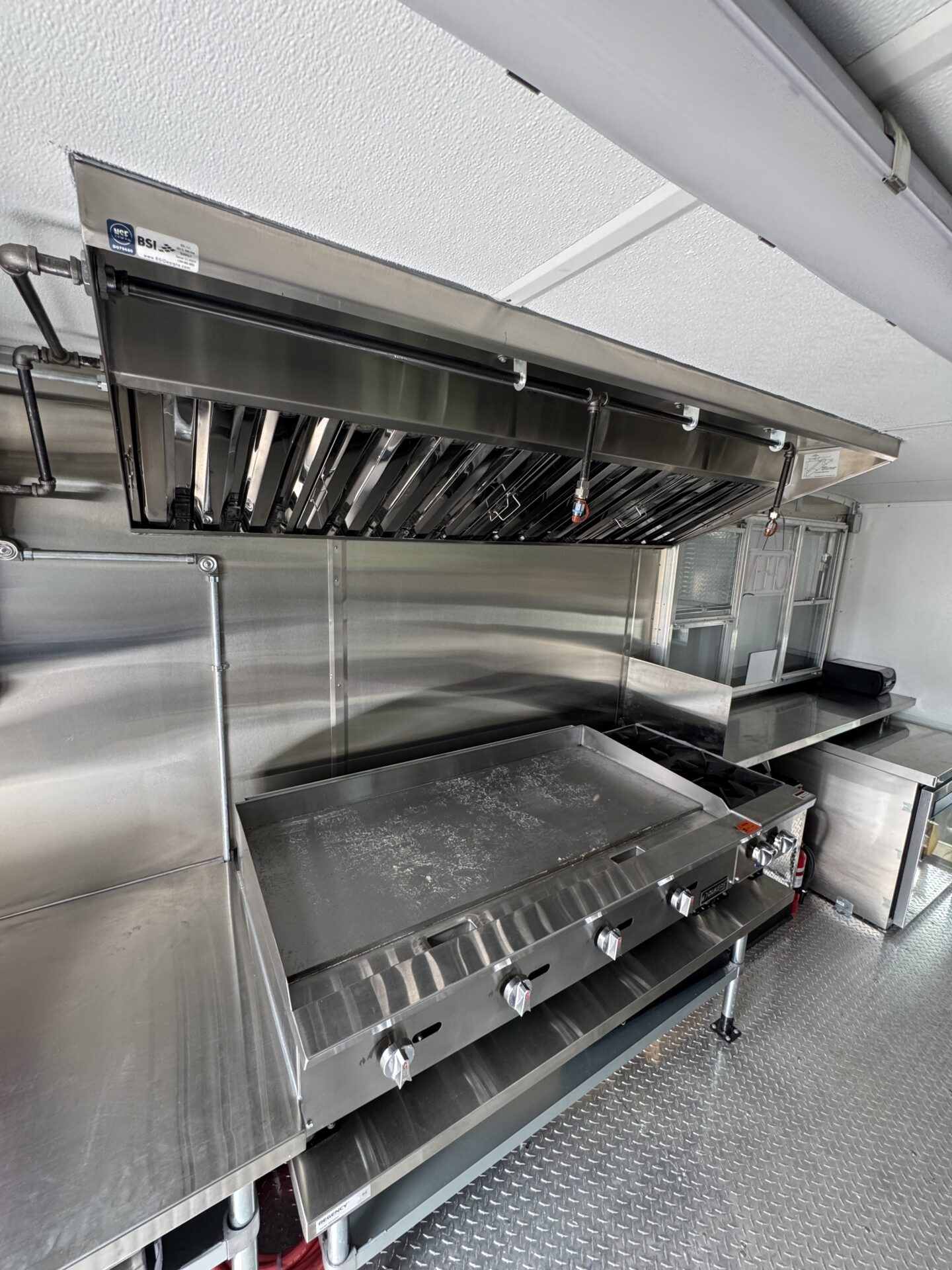
The 14ft Hot-Tok build is a clean example of what a Castle Rock-targeted food truck actually looks like inside. Stainless cooking wall behind the line, UL 300 fire suppression over the hood, a 48 inch griddle for the menu workhorse, a refrigerated prep table at the assembly station, a kitchen display system tied to the POS at the order window, and a 12kW generator running the whole show. Full walk-in tour below.
Other recent Colorado builds
If you are evaluating different builds for the Castle Rock and Front Range market, our recent Colorado deliveries cover most of the popular concepts. The 14ft shuttle bus to coffee truck conversion for Estes Park is a coffee-anchored build on an unusual chassis. The 16ft celiac-safe gluten-free food trailer for Aurora shows what a specific-diet menu build looks like. Both are within an hour of Castle Rock and both operators run similar event circuits.
Frequently asked questions
Does Castle Rock have its own food truck license?
Not at the truck level. The base food safety license is issued by the Tri-County Health Department for all of Douglas County, including Castle Rock. The Town of Castle Rock layers its own venue-specific permits for park events, downtown event series, and any operations on town right-of-way. For private property bookings (breweries, the Outlets, corporate, HOA), the Tri-County license is usually all you need plus the property owner’s permission.
Can I run my Castle Rock food truck without a commissary?
No. Tri-County Health requires every mobile food unit to have a permitted commissary or shared kitchen as a base of operations. A home kitchen does not count, and that is enforced. Operators in the Castle Rock and south Denver metro area usually find commissary space in the $300 to $1,000 per month range depending on the facility and hours used.
What is the best way to get into the Castle Rock brewery rotation?
Direct outreach to the brewery’s events manager. Castle Rock Brewing Company, Old World Brewery, and Bigfoot Brewing all have published contact information and book trucks on a weekly cadence. Have your Tri-County license, certificate of insurance, and a one-pager with your menu and a few good food photos ready when you reach out. The brewery rotation is the most consistent revenue floor in Castle Rock.
How do I book the Outlets at Castle Rock for my food truck?
Through the Outlets management office. The Outlets rotate food trucks seasonally with a focus on peak shopping weekends. Expect to provide proof of insurance with the Outlets named additional insured, your Tri-County license, and a menu submission for approval. The Outlets prefer trucks that pull customer attention rather than competing directly with the existing food court tenants.
Can I operate a food truck year-round in Castle Rock?
Yes, with the right build. Castle Rock winters are cold but generally mild compared to mountain towns, with average January lows in the upper teens. The brewery rotation runs year-round, and HOA winter events plus the Starlighting season at Philip S. Miller Park keep December and early January busy. The build needs insulated water lines, an optional cabin heater for the operator, and chassis-appropriate cold-weather tires. Most Castle Rock operators see a small slowdown in February but otherwise operate twelve months.
How long does a Castle Rock food truck build take from us?
Six to eight weeks from deposit to delivery on a standard custom build. Lead times stretch when specific commercial equipment has to be ordered direct from the manufacturer (proofers, specialty fryers, conveyor ovens, espresso machines). We flag long lead items at quote stage so the timeline is realistic.
How much does a Castle Rock food truck cost to build?
A custom 14ft food truck for the Castle Rock market lands in the $60,000 to $110,000 range depending on the cooking equipment package, the chassis, and the tech package. Hot food builds with full cooking lines and modern KDS and POS, like the recent Hot-Tok build, sit at the higher end. Coffee, dessert, and grab-and-go concepts on smaller chassis come in lower. Our 2026 guide to starting a food truck business covers the build cost layer plus operating costs in detail.
Ready to start a Castle Rock build?
We build food trucks, trailers, and van conversions for operators across the Colorado Front Range, the Mountain West, the southern plains, and beyond. If you are looking at a Castle Rock launch or expansion, call 719-722-2537 or head to our contact page to walk through the build with us. Our shop is 90 minutes south in Woodland Park, which makes the delivery, post-build service, and any modifications straightforward.
Ready to build your truck?
We design and build custom food trucks and trailers compliant with the regulations on this page. From a single phone call to keys-in-hand in 6 to 8 weeks for most builds.
Built in Woodland Park, Colorado. Delivered to operators in CO, AZ, NE, MT, and WY.