

Recent Delivery: 14ft Korean Food Truck
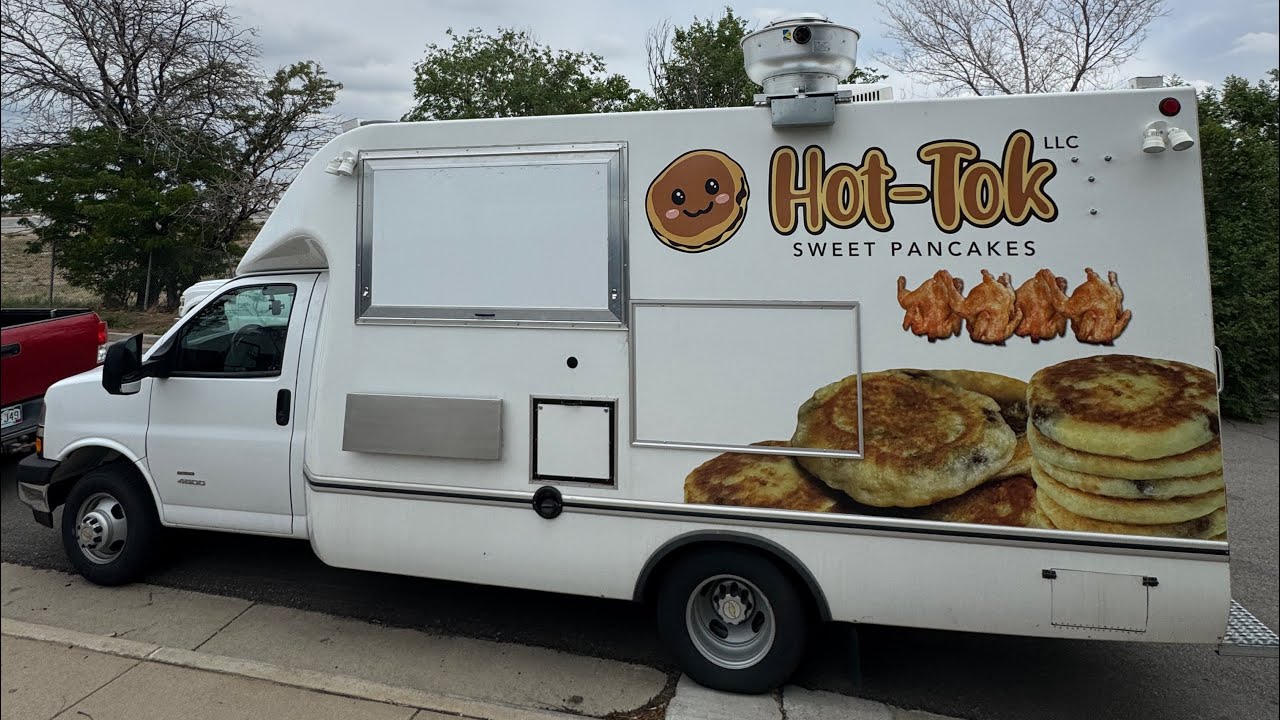
Read the full build story on the Hot-Tok Korean food truck we delivered for Castle Rock →
Castle Rock is one of the best food truck markets in Colorado that most people are not paying attention to yet. It is one of the fastest-growing and most affluent towns in the state, it sits between Denver and Colorado Springs on the I-25 corridor, and its event calendar and master-planned neighborhoods generate real demand year-round. We build custom food trucks for operators across Colorado, and we just delivered a Korean truck here, so this guide covers what it takes to build and license a truck for Castle Rock, what altitude does to your equipment, and where the work actually is.
Who licenses a food truck in Castle Rock
This is the first place a lot of online guides are now wrong, so it is worth being precise. Tri-County Health Department, which used to cover this area, dissolved, and as of 2023 Douglas County runs its own Douglas County Health Department. That county health department is the licensing and inspection authority for a food truck in Castle Rock. A new mobile unit submits a mobile unit plan review, schedules an inspection, and pays the annual retail food license fee. The license runs on Colorado’s statewide retail food framework, where plan review starts with a 155 dollar application fee and the unit has to display its trade name and phone number on two sides. Do not follow a page that still tells you to call Tri-County Health, because that agency no longer exists.
A commissary is required. Douglas County wants an approved commissary for prep, storage, water, and cleaning, and if you do not own the facility you need a signed commissary agreement. On top of the county license, the Town of Castle Rock requires a business and tax license, which is a 10 dollar application through the town’s sales tax portal and is subject to a zoning review. The town sales tax rate is 4.2 percent, which combines with state and county tax to a total in the low 8 percent range, so build that into your pricing. Confirm the current license amounts with the Douglas County Health Department and the Town of Castle Rock before you file, since the county sets its own fee schedule.
Fire inspection and Castle Rock Fire and Rescue
Any truck that produces smoke or grease-laden vapors, which means anything with a griddle, grill, or fryer, gets a fire inspection from Castle Rock Fire and Rescue. The department has adopted the 2024 International Fire Code, and the practical expectations for a cooking truck are UL-300 hood suppression over the cook line, a Class K extinguisher for cooking oils, and a propane system installed to NFPA 58. Castle Rock charges an annual fire permit fee, currently 100 dollars, and it accepts reciprocal permits from other Colorado jurisdictions that also use the 2024 code, as long as you submit ahead of time. The inspection report has to ride in the vehicle. We build every cooking truck to that fire standard from the start so it passes the first inspection rather than getting sent back to add suppression later.
Building for altitude at 6,200 feet
Castle Rock sits at about 6,200 feet, and altitude is a real factor we design around on every Front Range build. Gas appliances lose roughly 15 percent of their rated output at this elevation compared to sea level, so propane burners, griddles, and fryers all run leaner and recover more slowly. If a truck is spec’d for sea level and then run up here, the cook spends the whole shift fighting a weak flame. We size the equipment to account for the derating so the line keeps up during a rush. Water also boils at a lower temperature, which changes cook and fry times, and any yeasted or baked product behaves differently in the dry mountain air, which is why a build with dough often needs a proofer here. Add four real seasons and strong Front Range wind, and the service window and awning have to be built to take weather, not just look good on a nice day.
Why Castle Rock is a strong market
The numbers here are what make Castle Rock stand out. The town has grown steadily since 2020 and its median household income is around 145,000 dollars, which puts it among the most affluent towns in Colorado. That is a market with disposable income and a large young-family base that turns out for food events, and several food niches are underserved because the metro’s variety is concentrated up in Denver and Aurora. A truck with a clear concept can own a lane here rather than fight a crowded corner.
The event calendar keeps a truck busy well past the summer. The Douglas County Fair and Rodeo runs July 24 through August 2 in 2026 at the fairgrounds right in Castle Rock. Downtown Castle Rock runs Boots and Brews on July 25, Oktoberfest on September 19, and the Starlighting on November 21, which is the town’s signature event and pulls thousands downtown for the evening. Beyond the festivals, the Outlets at Castle Rock and Philip S. Miller Park draw steady foot traffic, the local brewery scene hosts trucks, and the master-planned neighborhoods like The Meadows, Founders Village, and Plum Creek, plus nearby Castle Pines, drive a strong stream of HOA, corporate, and private-event catering. Between the events, the retail anchors, and the neighborhood catering, there is enough here to keep a well-built truck working most of the year.
Frequently asked questions
Who licenses a food truck in Castle Rock, Colorado?
The Douglas County Health Department licenses and inspects food trucks in Castle Rock. Tri-County Health Department dissolved, and Douglas County has run its own health department since 2023. You also need a Town of Castle Rock business and tax license.
How much does it cost to license a food truck in Castle Rock?
Colorado plan review starts at a 155 dollar application fee, plus the county’s annual retail food license fee, a Castle Rock Fire annual permit around 100 dollars, and a 10 dollar Town of Castle Rock business and tax license. Confirm current amounts with Douglas County and the town, since the county sets its own schedule.
Does altitude affect a food truck in Castle Rock?
Yes. At about 6,200 feet, gas appliances lose roughly 15 percent of their rated output, so burners, griddles, and fryers run leaner and recover slower. Equipment should be spec’d for the derating, and yeasted or baked products often need a proofer because of the dry mountain air.
Does a cooking truck need fire suppression in Castle Rock?
Yes, if it produces smoke or grease-laden vapors. Castle Rock Fire and Rescue inspects under the 2024 International Fire Code, and a cooking truck needs UL-300 hood suppression, a Class K extinguisher, and a propane system to NFPA 58, with a fire permit around 100 dollars a year.
Is Castle Rock a good market for a food truck?
It is a strong one. Castle Rock is among Colorado’s most affluent, fastest-growing towns, with a median household income around 145,000 dollars, an event calendar that runs from the Douglas County Fair to the November Starlighting, and neighborhood and corporate catering demand, and several food niches are underserved compared with Denver.
More resources before you build
- 14ft Korean Food Truck We Built for Castle Rock (Hot-Tok)
- How to Choose a Food Truck Builder
- What Equipment Goes in a Food Truck
- How to Pass a Food Truck Health Inspection
- How to Start a Food Truck Business (2026 Guide)
Thinking about a food truck for Castle Rock or anywhere on the Front Range? We source the truck, build it out for Colorado altitude and inspections, and hand it over road-ready. Reach us at zionfoodtrucks.com or call 719-722-2537.
Jacob Varghese
Zion Foodtrucks
719-722-2537
Ready to build your truck?
We design and build custom food trucks and trailers compliant with the regulations on this page. From a single phone call to keys-in-hand in 6 to 8 weeks for most builds.
Built in Woodland Park, Colorado. Delivered to operators in CO, AZ, NE, MT, and WY.