

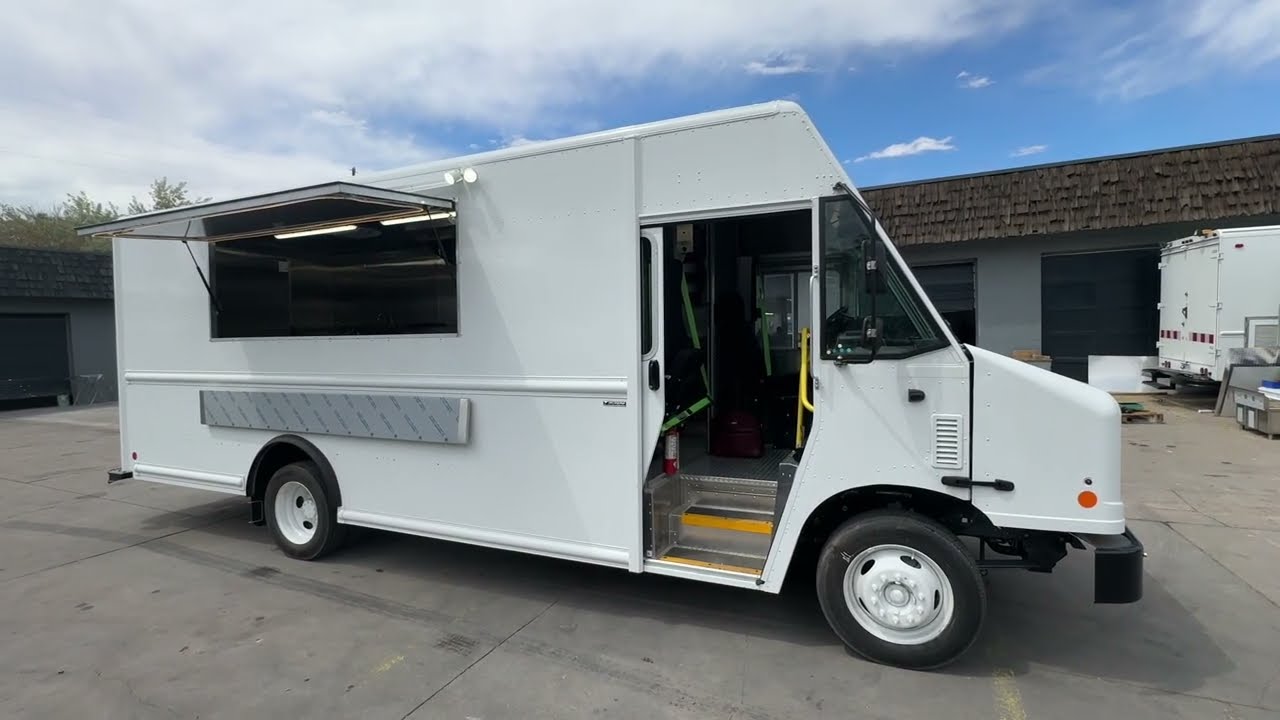
Frybread is one of those foods that lives or dies on the cook line. It needs real heat, a griddle and range that hold temperature while a steady line moves, and enough refrigerated space next to the cook so nobody is running back and forth during a lunch rush. That is the truck we just finished for an operator in Wichita, an 18ft Native American food truck built to serve Indian tacos and frybread the way they are supposed to be served, hot and fast, at powwows, markets, and weekday stops across the city.
Wichita is a good home for this one. The city sits right on the Arkansas River at the spot marked by the Keeper of the Plains, the 44-foot steel statue by Kiowa and Comanche artist Blackbear Bosin, and the Mid-America All-Indian Center a few steps away represents 72 tribes and runs powwows and cultural events through the year. A truck built around this cuisine is not chasing a trend here. It is serving a community that has been in this place a long time.
Here is what went into the build, why we made the calls we made, and what it takes to put a truck like this on the street in Wichita and keep it legal.
An all-stainless interior, by the operator’s call
Most of our builds use a stainless steel cooking wall behind the hot line and FRP, a food-grade plastic wall panel, everywhere else. FRP is lighter and cheaper and it wipes down fine. This operator wanted stainless steel on every wall, and we built it that way.
There is a real trade-off there. Full stainless costs more and adds weight, and on an 18ft box you feel the weight in how the truck rides and what it does to your fuel. What you get back is a surface that shrugs off heat, grease, and years of scrubbing without staining or scorching, which matters for a menu that fries. Frybread and Indian tacos throw off oil and steam, and a stainless wall behind and beside the fryer and range is the surface that ages best. It was the right call for this menu, and we told him so.
The floor is aluminum diamond plate, which is the standard we use on every truck because it drains, it does not get slick the way coated ply can, and it takes a beating. LED lighting runs through the interior and across the exterior so the service window reads bright at a night market and the cook can see what is on the griddle.
The cook line: built for a frying, high-volume menu
The heart of this truck is a range with six open burners and an integrated 24-inch griddle. That combination is deliberate. The six burners give you stockpots for beans and chili, sauce pans, and boiling all at once, and the flat-top griddle gives you the surface for frybread, searing, and the flat cooking that an Indian taco line runs on. Next to it we added a dedicated stockpot burner, which is a low, heavy burner meant to hold a big pot at a rolling temperature without tying up a range burner. On a menu that simmers beans and stews, that one burner saves the whole line.
For holding, there is a four-pan steam table so cooked beans, meats, and toppings stay at safe temperature and plate fast during a rush. Cold storage sits right in the line: a 27-inch refrigerated pizza prep table with pans across the top for taco toppings and cheese, and a full-size standup refrigerator for backstock. The point of laying it out this way is that the cook reaches everything without a step. When a powwow line is 40 people deep, the steps you save per plate are the difference between keeping up and falling behind.
Fire safety, and how this truck passes inspection in Wichita
A frying truck has to be built to a fire standard before it is built to a menu. This one carries a hood suppression system over the cook line, a Class K extinguisher rated for cooking oils, and A, B, and C extinguishers for everything else. Those are not extras. Wichita’s mobile food rules require a Type I hood with suppression over grease-laden cooking, at least one serviced extinguisher per unit, and hood service on a six-month cycle under NFPA 96. Propane on a mobile unit in Wichita is capped at 100 pounds and has to be secured and protected. We build to those numbers so the truck passes on the first fire inspection, not the third.
Kansas is a little different from most states on licensing, and it is worth knowing before you buy. Your food truck is licensed by the Kansas Department of Agriculture, Food Safety and Lodging, at the state level, not by the county health department. That license expires every March 31 and the fee is not prorated, so a truck licensed in February is up for renewal a few weeks later. The state also wants a plan review before you open and a Mobile Unit Log documenting your commissary. On top of the state license, the City of Wichita requires its own mobile food vendor license, which runs 50 dollars for 30 days, 250 for six months, or 400 for the year per vehicle. The city ordinance keeps trucks at least 150 feet from a restaurant’s front door on public property without written permission and off the streets between 1 a.m. and 6 a.m. We walk every buyer through this so the truck we hand over is one you can actually park and sell from. Confirm current fees with the Kansas Department of Agriculture at 785-564-6767 and the City of Wichita before you file, since fee schedules change.
Water, power, and the service window
The plumbing is a hand wash sink, a three-compartment sink for wares, and an 8-gallon water heater, fed by a 30-gallon fresh tank and draining to a 40-gallon grey tank, both mounted under the truck so they are easy to fill and dump and they free up interior floor for the cook. The grey tank runs larger than the fresh on purpose, because you never want to run out of grey capacity mid-shift and be forced to shut down.
Power comes from a 12kW Cummins generator, which is sized to run the refrigeration, the steam table, the lighting, and the exhaust without straining when everything is on at once. Wichita sits at about 1,300 feet, low enough that none of the propane appliances or the generator need altitude derating, which is a real concern we design around on our Colorado mountain builds but simply is not a factor on the plains. What you do build for here is heat and wind. Summer runs into the upper 90s, so ventilation and condenser load get sized up, and the prairie wind is strong enough that we set up the awning and service window to take it.
The service window is a 5-foot opening with an awning door, self-closing service doors, and a bug screen, which is the setup that reads open and welcoming at a market while still meeting the code requirement to keep the interior sealed against pests when the cook is working.
Why Wichita is a real market for this truck
Wichita has a genuine street-food scene concentrated in Old Town, Delano, and the Douglas Design District, and a calendar that gives a truck somewhere to be almost every weekend of the warm season. Wichita Riverfest, the biggest outdoor event in Kansas, runs May 29 through June 6 in 2026 along the river downtown. Autumn and Art lands September 11 through 13, and the Tallgrass Film Festival brings crowds downtown October 15 through 18. Taprooms like Hopping Gnome and Aero Plains host trucks, and the Old Town Farm and Art Market fills Saturdays through the season.
The other half of the Wichita opportunity is weekday catering, and it is bigger than most cities its size because of aviation. Spirit AeroSystems, Textron Aviation, which builds Cessna and Beechcraft, and Bombardier Learjet anchor an enormous manufacturing workforce, and Wichita State University and the area hospitals add thousands more weekday lunches. A truck that can hold four pans of hot food and plate a line fast is exactly the truck that wins a standing lunch stop at a plant gate. And for this operator specifically, the Mid-America All-Indian Center on North Seneca and its powwow calendar are a natural home base for a Native American food truck in the city named for the Wichita people.
Full equipment list
- Stainless steel cooking wall, with stainless steel on every interior wall (operator’s spec, no FRP)
- Aluminum diamond plate floor
- LED lighting throughout the interior and exterior
- Range with six burners and an integrated 24-inch griddle
- Dedicated stockpot burner
- 27-inch refrigerated pizza prep table
- Full-size standup refrigerator
- Four-pan steam table
- Hood suppression system with Class K and A/B/C extinguishers
- 5-foot service window with awning door, self-closing doors, and bug screen
- Hand wash sink and three-compartment sink
- 8-gallon water heater
- 30-gallon fresh water tank and 40-gallon grey water tank, mounted under the truck
- 12kW Cummins generator
Walkthrough video
Frequently asked questions
Who licenses a food truck in Wichita, Kansas?
The Kansas Department of Agriculture licenses food trucks at the state level, not the county health department. That state license expires every March 31 and is not prorated. On top of it, the City of Wichita requires its own mobile food vendor license per vehicle.
How much is a Wichita mobile food vendor license?
The City of Wichita vendor license runs 50 dollars for 30 days, 250 dollars for six months, or 400 dollars for a full year per vehicle. That is separate from the state Kansas Department of Agriculture license. Confirm current amounts with the city before you file.
Does a frybread or frying truck need a hood and fire suppression?
Yes. Wichita requires a Type I hood with a suppression system over grease-laden cooking, a Class K extinguisher for cooking oils, and hood service every six months under NFPA 96. This build carries all of it from day one.
How big is this truck and what can it cook?
It is an 18-foot truck with a six-burner range and 24-inch griddle, a dedicated stockpot burner, a four-pan steam table, and a refrigerated prep table plus a full-size refrigerator. That cook line is built to run a high-volume Indian taco and frybread menu at powwows, markets, and weekday lunch stops.
Do food truck appliances need altitude adjustment in Wichita?
No. Wichita sits at about 1,300 feet, which is well below the point where propane appliances or generators need derating. The things to build for here are summer heat and strong prairie wind, not thin air.
How long does it take Zion to build a truck like this?
A custom build like this one runs about six weeks in our shop, and we source the truck ourselves so you do not have to hunt down a chassis. We build for operators across the Mountain West and ship finished trucks out to their home city.
More resources before you build
- How to Start a Food Truck Business (2026 Guide)
- What Equipment Goes in a Food Truck
- Wichita Food Truck Permits and Inspection (2026 Guide)
- How to Pass a Food Truck Health Inspection
- Food Truck Insurance Guide
If you are thinking about your own build, whether it is a Native American food truck, a frybread trailer, or something else entirely, we would be glad to talk it through. We source the truck, build it out, and get it road and inspection ready. Reach us at zionfoodtrucks.com or call 719-722-2537.
Jacob Varghese
Zion Foodtrucks
719-722-2537